Global Shea Landscape Emission Reductions Project (GSLERP)
Empowering Women in Ghana’s Shea Landscapes

The Story
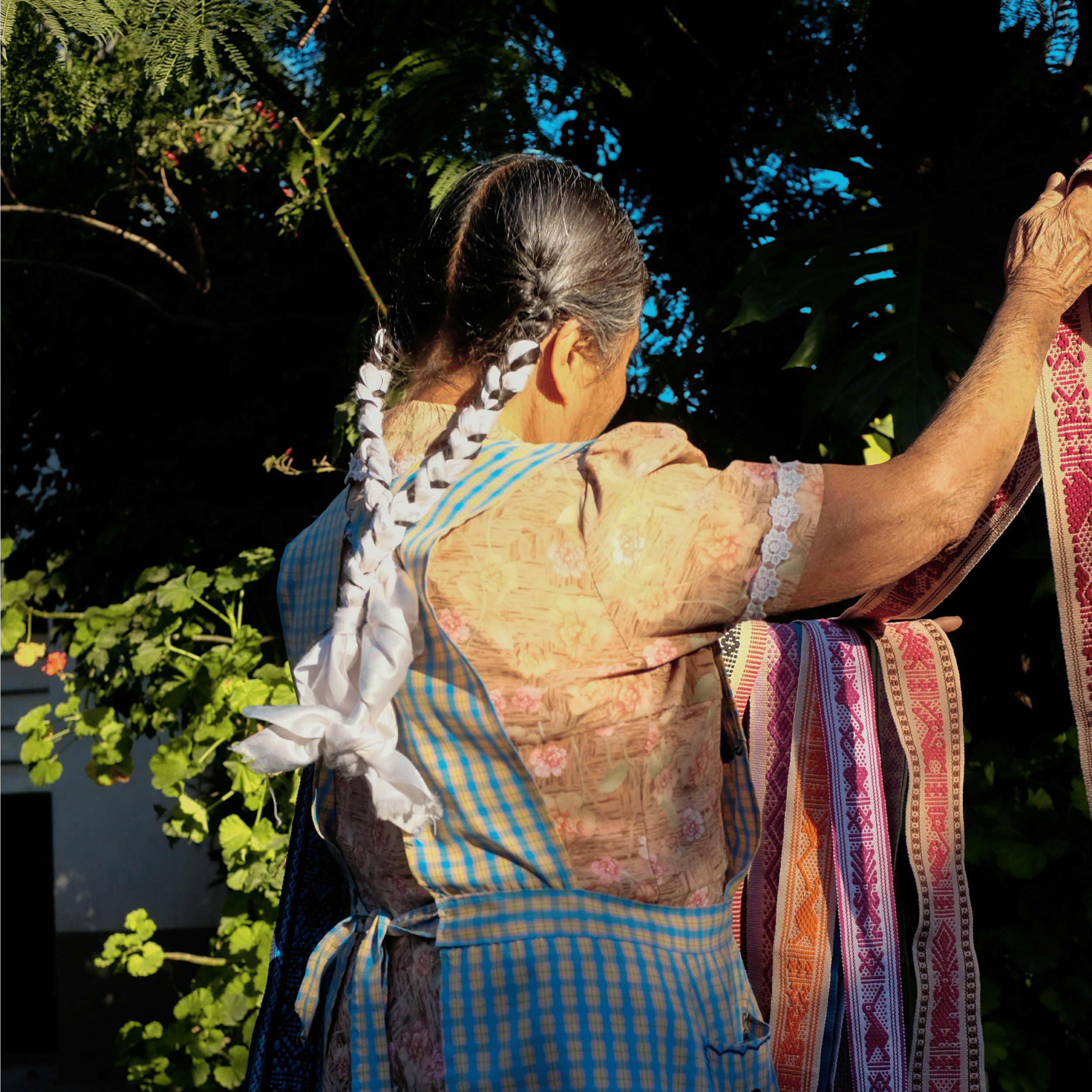
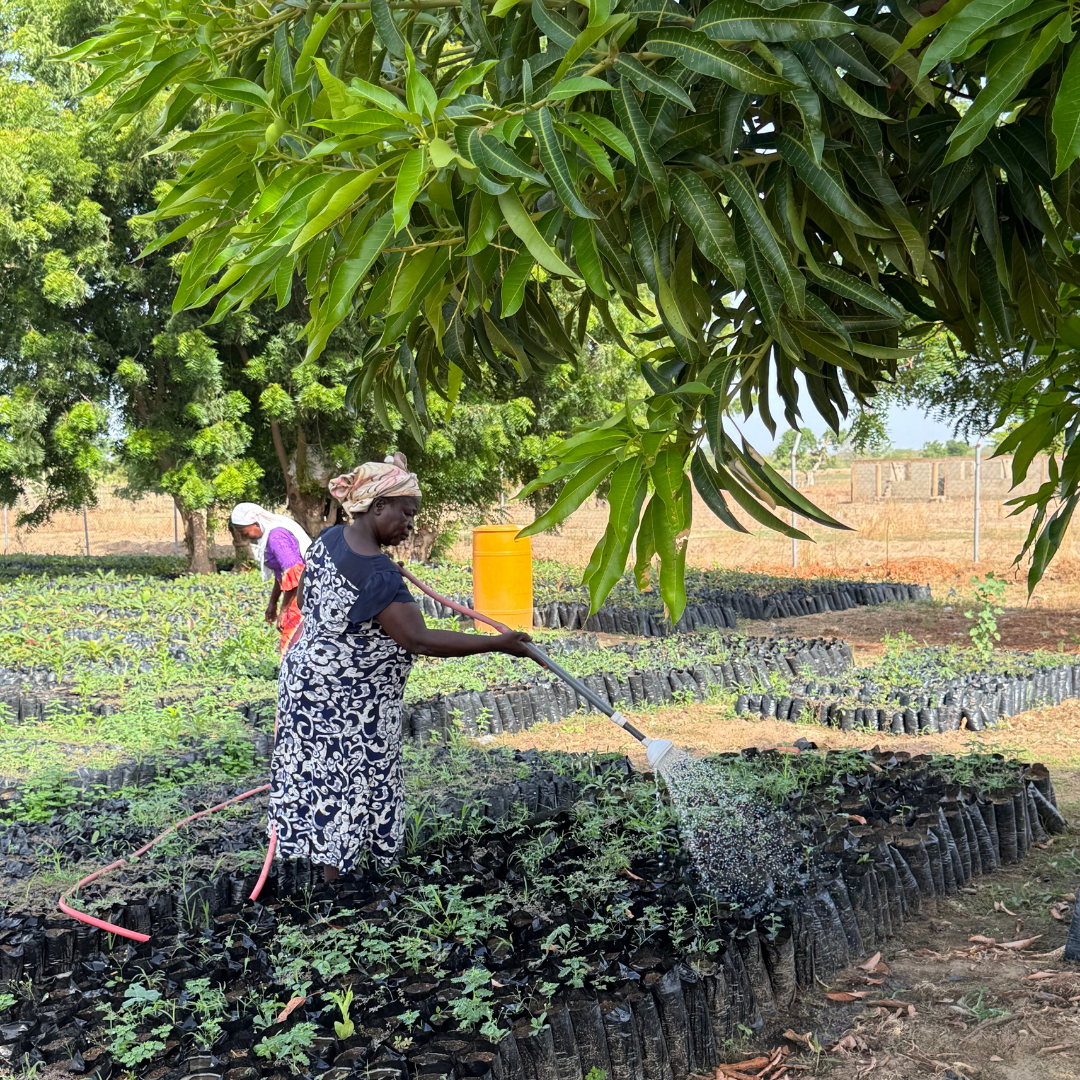
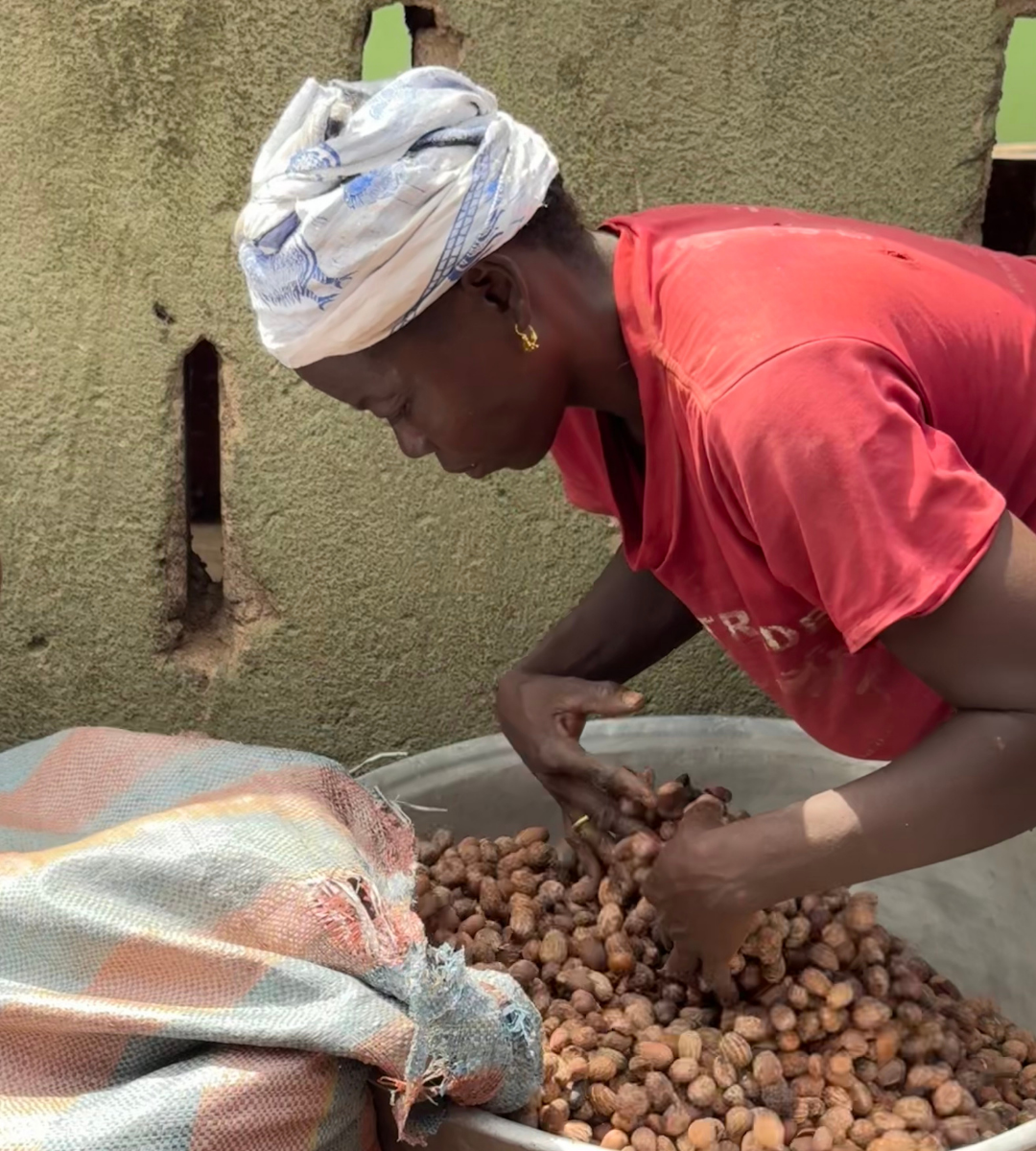
The Ghana Shea Landscape Emission Reductions Project (GSLERP) is a national REDD+ initiative designed to reduce emissions from deforestation and forest degradation while improving livelihoods in shea-producing landscapes. The project recognizes the central role of women in the shea value chain—as collectors, processors, and traders—and intentionally integrates women’s economic empowerment as a core component of its implementation strategy.
Through targeted interventions in income generation, asset access, and value chain strengthening, the project supports women to increase and stabilize their incomes, improve access to productive assets, and participate more equitably in forest-based economic activities. The application of the W+ Standard makes visible and measurable the social outcomes of these efforts, ensuring that women’s economic gains are recognized alongside climate and forest outcomes.

Quick facts
.png)
Goal: Reduce emissions from deforestation and forest degradation while strengthening women’s income, asset ownership, and economic security through gender-responsive investments in the shea value chain and forest-based livelihoods.
- Location: Northern Ghana(Shea-dominated forest–savanna landscapes participating in the Ghana Shea Landscape Emission Reductions Program)
- Metrics: +108% Income & Assets; +97% Knowledge & Education
- Dates / Status: Verified
- Beneficiaries (women): 6,000 at the time of measurement
Standards & Certification:
- W+ Domains: Income & Assets, Knowledge & Education
- Credit Type: W+ Credits
- Certified Supply: 122,818 W+ Credits (Certified — availability per current issuance)
What We Did
- Support to women’s participation in shea value chains, including collection, processing, and commercialization
- Activities to improve women’s access to income, assets, and productive resources linked to forest-based livelihoods.
- Capacity development focused on quality, productivity, and market engagement within the shea sector.
- Integration of women’s economic activities within broader REDD+and landscape management frameworks, ensuring alignment between livelihood improvements and forest conservation objectives.

Results and Impact
- Income & Assets: +108% — women increased income stability and asset security through employment and higher-value shea production.
- Education & Knowledge: +97% — women increased technical, organizational, and entrepreneurial knowledge through training in sustainable shea management, cooperative development, and improved processing technologies.
In the Field
Behind the scenes of projects directly from the technical experts on the ground.
Fund a Verified Solution — One Credit at a Time
Empowering Stewardship in the Coral Triangle - ‘Coral Triangle Women’ - Indonesia BHS
.jpeg)
Empowering Stewardship in the Coral Triangle - ‘Coral Triangle Women’- Soloman Islands
Empowering Stewardship in the Coral Triangle - ‘Coral Triangle Women’ Papua New Guinea
.jpeg)
Empowering Stewardship in the Coral Triangle - Indonesia TNS
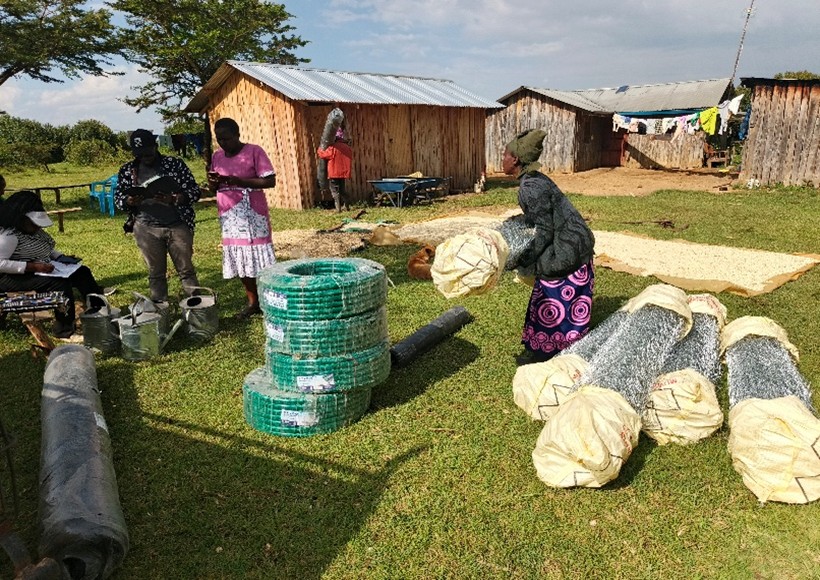
Women-Led Community Forest Conservation Initiative in Mau Forest Ecosystem, Narok County, Kenya
Community Led Food Forest Project (CFFP)
Costa Rica REDD+ Result-based Payment (RBP) for Results Period 2014-2015
.jpeg)
Measuring the Impact of RiceTech Cambodia Project on Women’s Livelihoods and Adaptability to Climate Change
Kasigau Corridor REDD+ Project, Kenya
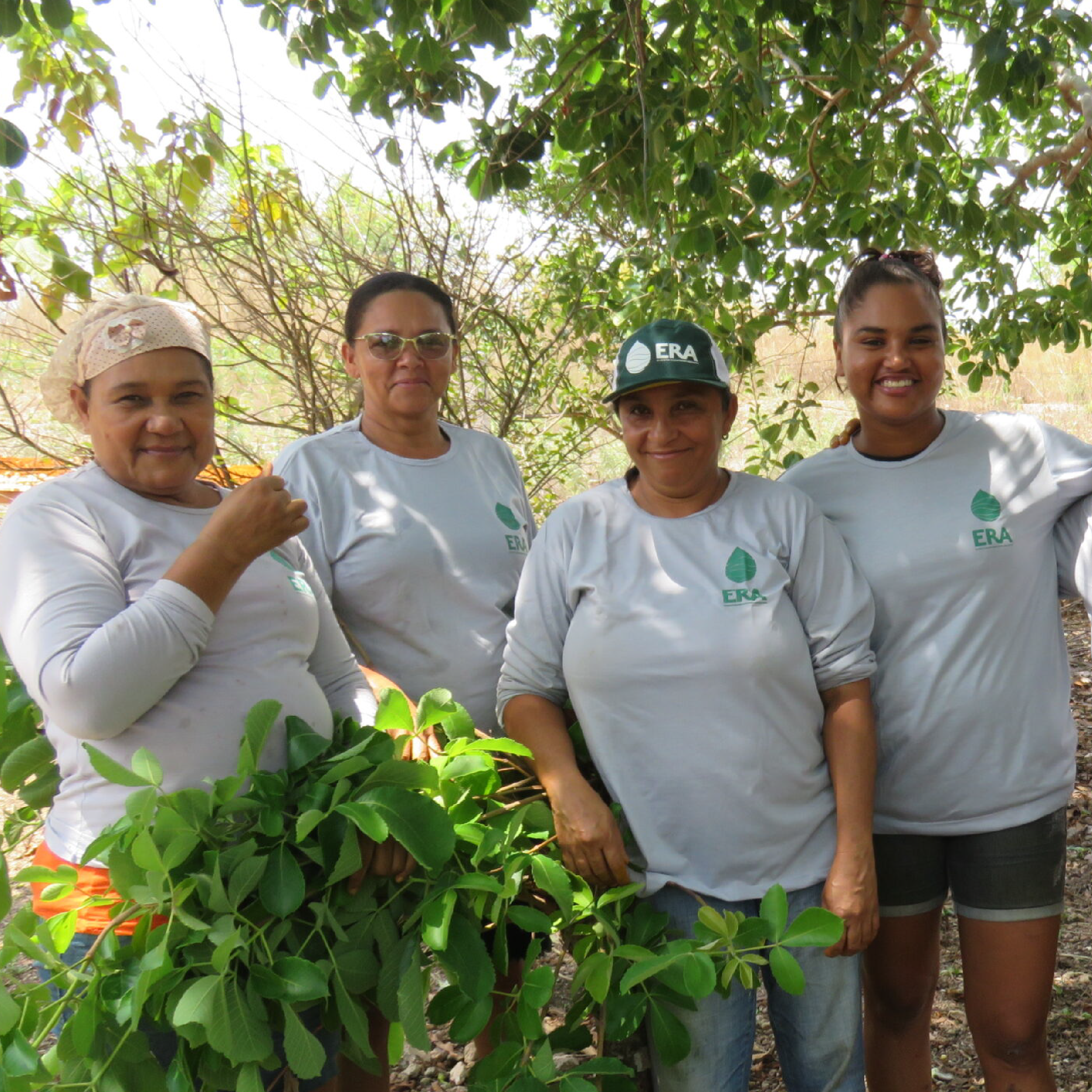
Women Leading Regenerative Change in Brazil’s Cerrado
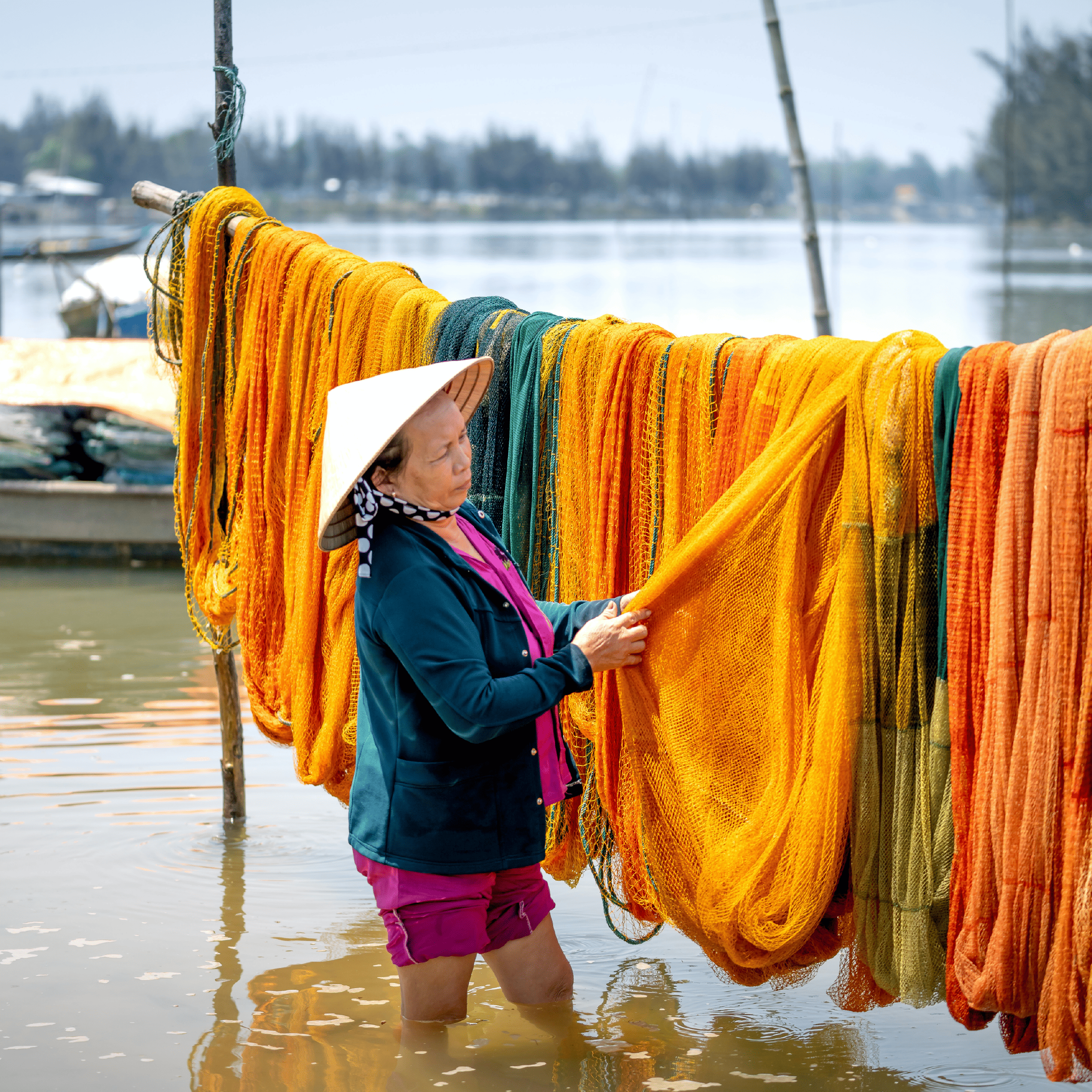
Fisher Folks Making Circular Economy Work for The Western Tonle Sap Lake Project
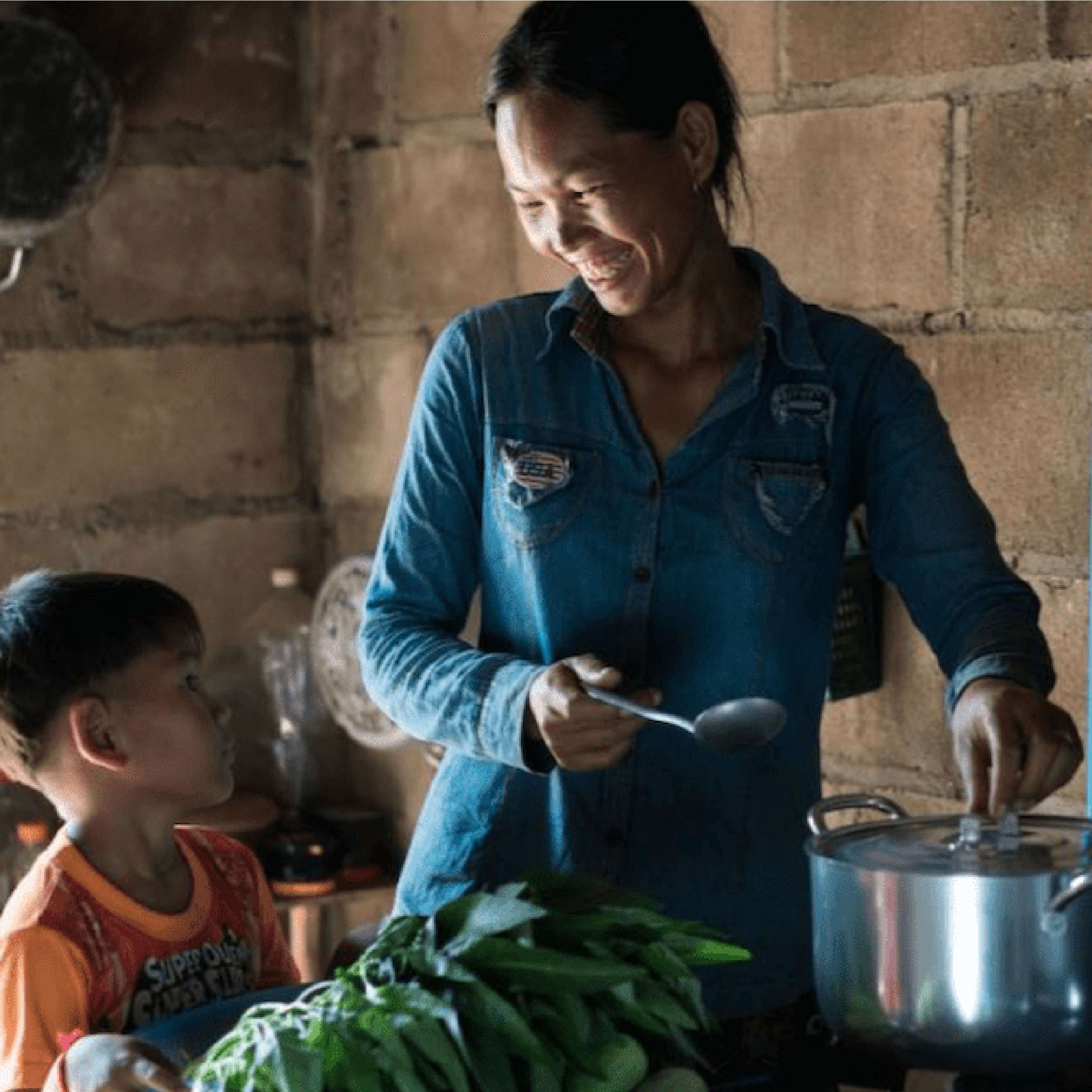
Improved Cookstoves (ICS) Programme
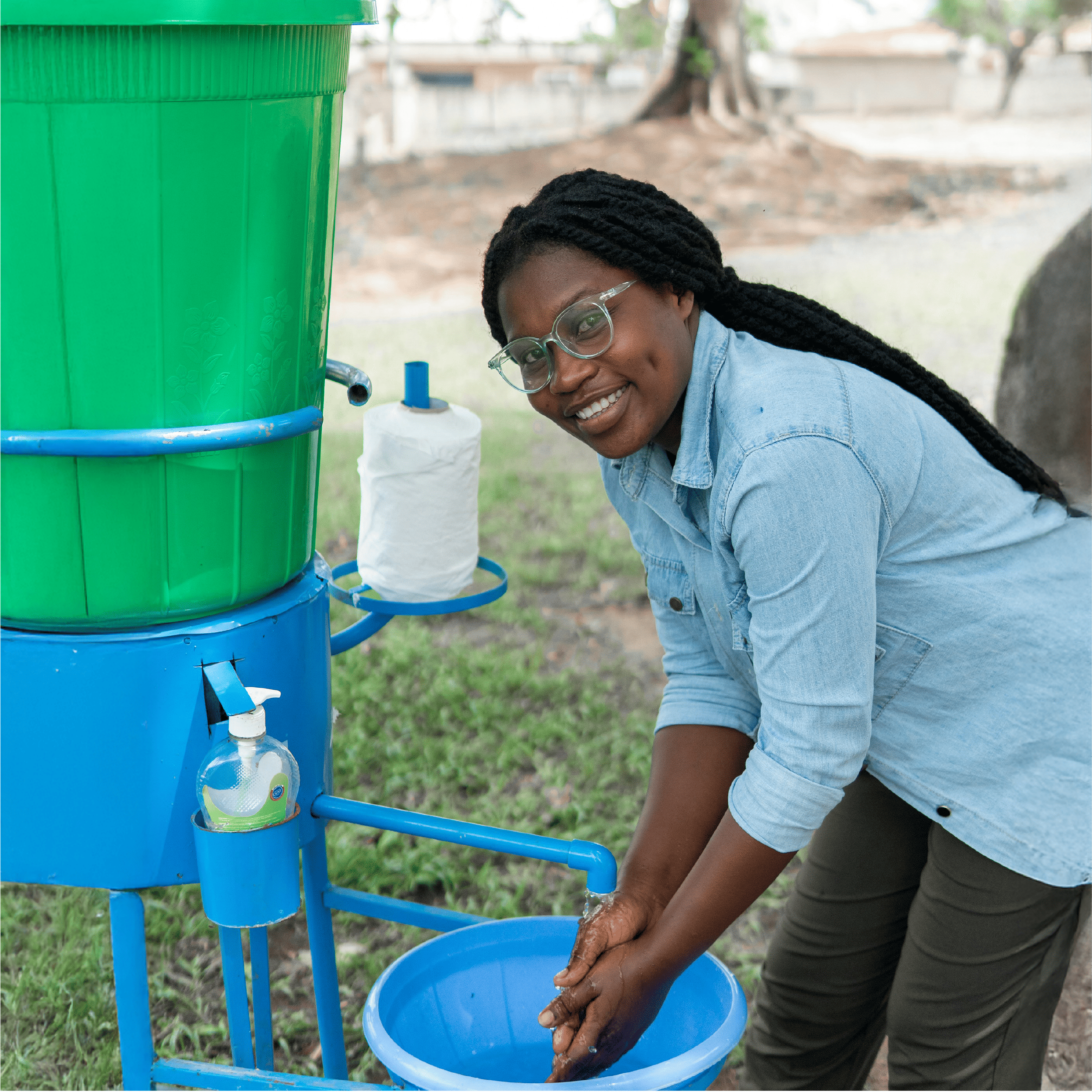
Bokpoort CSP Programme, South Africa
Khalladi Wind Farm Project in Morocco

Rural Ghassate, Morocco Women’s Cooperatives and Practical Training
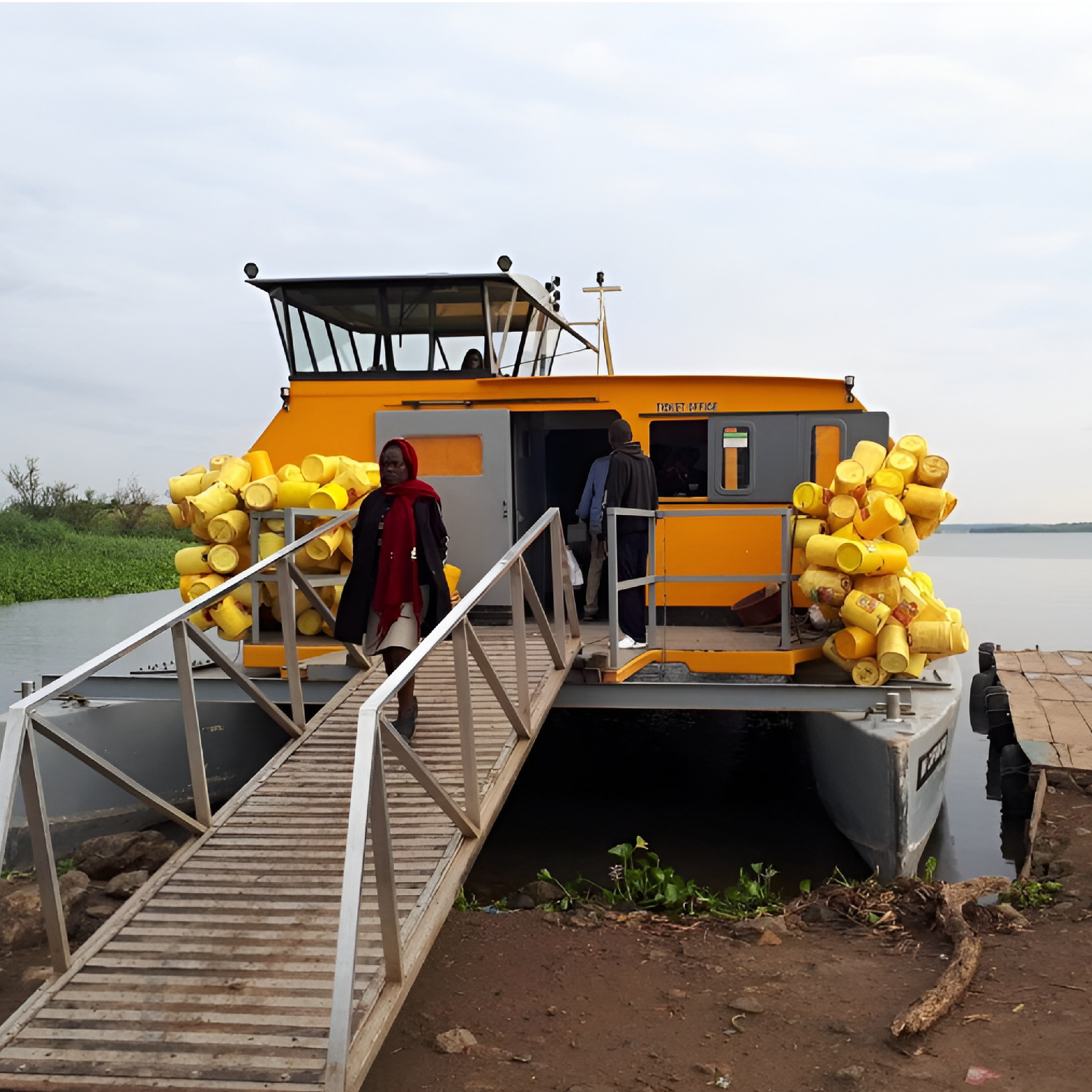
WaterBus - Measuring Time Savings and Income/Assets generated by the WaterBus Transport system
Improved Firewood Cookstoves Programme, Honduras

Stoves that Save Time and Energy in KhRos

Financial Literacy Program in Vietnam
Indonesia Domestic Biogas Programme
Clean Energy that Restores Forests and Empowers Women in Nepal

Growing Resilience Through Agricultural Innovation in Kenya (Pula)

Women-led Community Resilient Local Governance in India (wCOREL)
Mangrove Protection through Cleaner Fish Smoking in Cameroon
Solar Water Pumps for Salt Farmers of Kutch

Building Climate Resilience in the Sundarbans through Mangrove Restoration