Empowering Women Through Conservation, Leadership and Sustainable Livelihoods

.jpeg)
The Story
This project focuses on strengthening the leadership, participation, and economic empowerment of women in natural resource management (NRM) across five key sites: Sasari, Haevo, Kia, Wagina, and Katupika in Isabel and Choiseul Provinces.
It aims to ensure women are active contributors to conservation while gaining greater access to knowledge, finance, and livelihood opportunities.
Through these locally grounded activities, women across Isabel and Choiseul Provinces are empowered as leaders, decision-makers, and environmental stewards, contributing to both stronger communities and healthier ecosystems.
Quick Facts
.png)
Goal
Strengthen women’s leadership, participation and economic empowerment in natural resource management while improving access to knowledge, finance and sustainable livelihood opportunities across the Solomon Islands.
Location:
Sasari, Haevo and Kia in Isabel Province, and Wagina and Katupika in Choiseul Province, Solomon Islands.
Project Period:
March 2025 – September 2028
Reporting period ends March 2029.
Women’s Empowerment Focus:
Women’s leadership, literacy, communication, financial skills, participation in conservation and decision-making, access to finance, sustainable livelihoods and recognition of women’s contribution to natural resource management.
Key Livelihood Activities:
Waste management and recycling in Wagina and Kia, agricultural livelihood development in Sasari, exploration of a Coconut Mill in Haevo, women’s savings groups and financial inclusion, seagrape processing and value addition in Wagina, and paid conservation roles through the Turtle Ranger Program.
Women Benefiting:
93 women are identified as benefiting from activities associated with the project.
Gender Context:
The project focuses on strengthening women’s confidence, knowledge, leadership and participation in natural resource management while improving their access to financial systems, livelihood opportunities and decision-making processes.
Monitoring:
The project applies the W+ Standard across the Education & Knowledge and Income & Assets domains. Activities and outcomes will be further detailed and monitored through the Project Design Document.
Benefit Sharing:
The project supports women’s access to income-generating opportunities, savings groups, financial services, sustainable livelihoods and paid conservation roles, helping strengthen financial independence and household income.
Standards & Certification:
W+ Standard: Education & Knowledge and Income & Assets. W+ Labelling: N/A. Other certification or standards: N/A.
Project Developer:
The Nature Conservancy.
Financing:
The Coral Triangle Women initiative is financed through a grant from the Government of Canada focused on strengthening women’s empowerment and leadership in natural resource management.
What We Did
The project strengthens women’s leadership, participation and economic empowerment in natural resource management across Sasari, Haevo, Kia, Wagina and Katupika in Isabel and Choiseul Provinces.
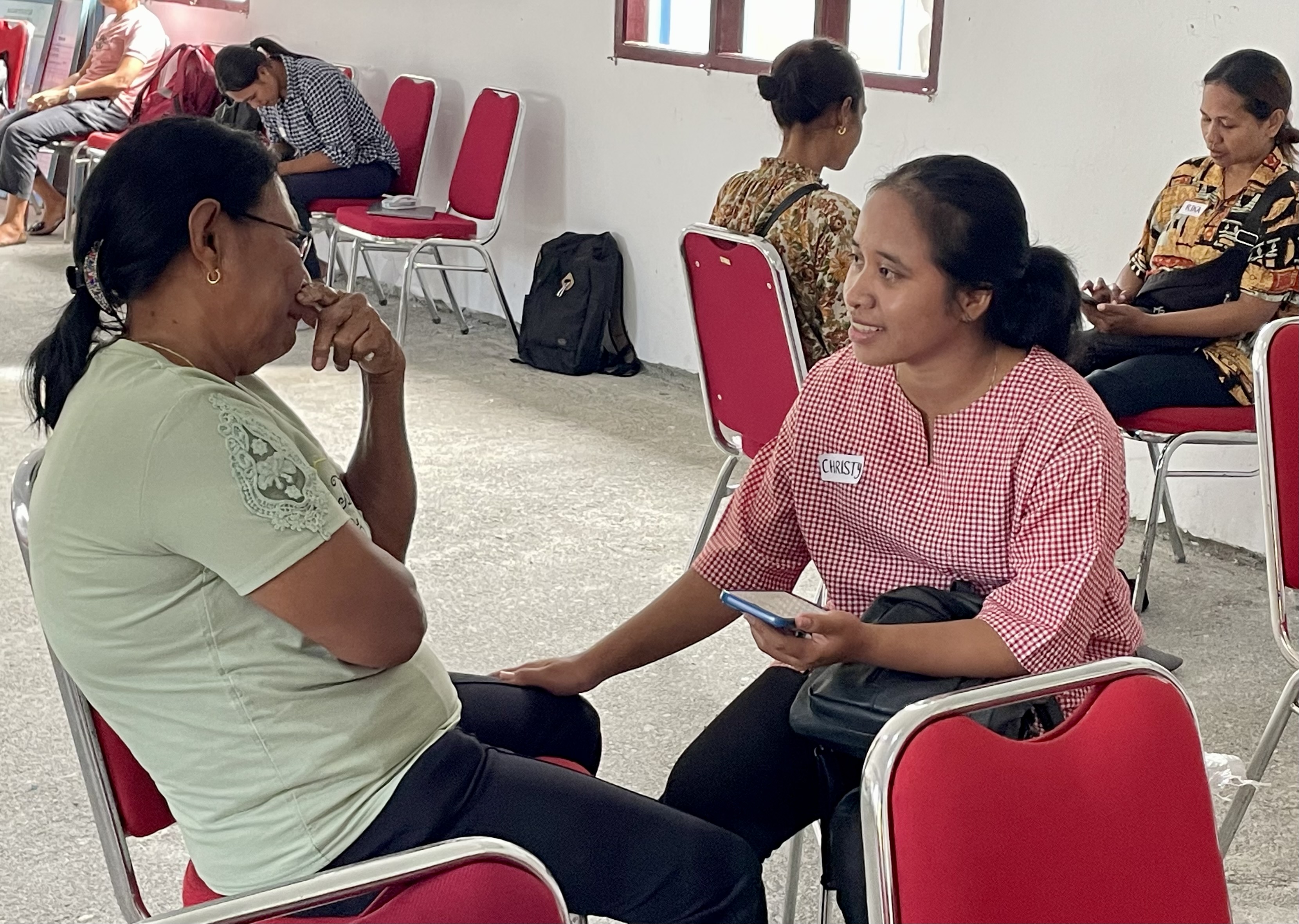
Activities include literacy and leadership training for women in the KAWAKI network, proposal writing and financial management training, and knowledge exchange on seagrape processing and value addition.
The project also supports sustainable livelihood opportunities through waste management and recycling in Wagina and Kia, agricultural development in Sasari, exploration of a Coconut Mill in Haevo, and strengthened women’s savings groups and access to financial services.
Women involved in the Turtle Ranger Program in Haevo and Sasakolo (Kia) are supported through paid roles and safety equipment, recognising their contribution to marine conservation.
Together, these activities strengthen women’s knowledge, confidence, leadership, financial independence and participation in conservation and community decision-making.

Results and Impact
In the Field
Behind the scenes of projects directly from the technical experts on the ground.

Fund a Verified Solution — One Credit at a Time
Empowering Stewardship in the Coral Triangle - ‘Coral Triangle Women’ - Indonesia BHS
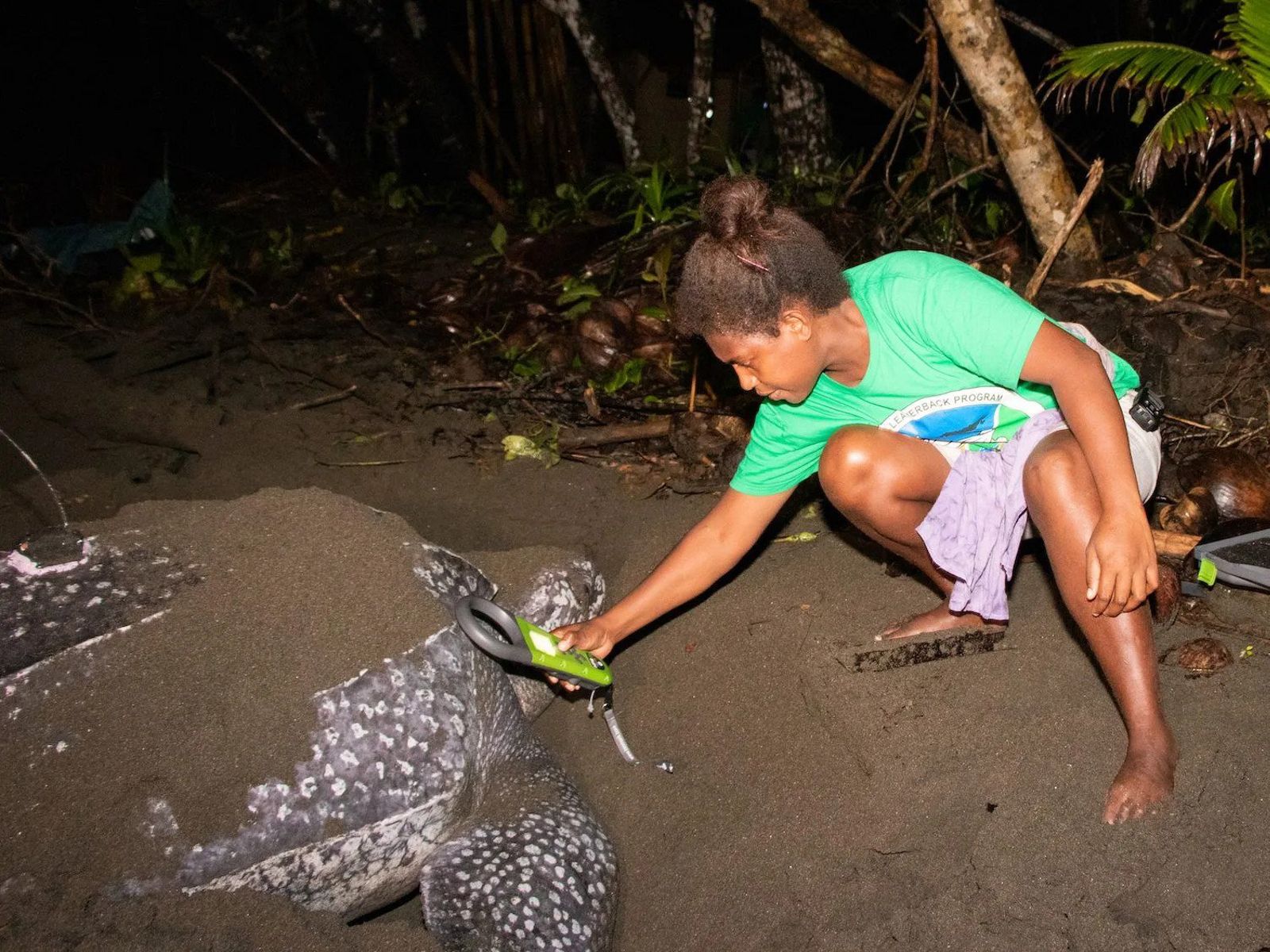
Empowering Stewardship in the Coral Triangle - ‘Coral Triangle Women’ Papua New Guinea
.jpeg)
Empowering Stewardship in the Coral Triangle - Indonesia TNS
Women-Led Community Forest Conservation Initiative in Mau Forest Ecosystem, Narok County, Kenya
Community Led Food Forest Project (CFFP)
Costa Rica REDD+ Result-based Payment (RBP) for Results Period 2014-2015
.jpeg)
Measuring the Impact of RiceTech Cambodia Project on Women’s Livelihoods and Adaptability to Climate Change
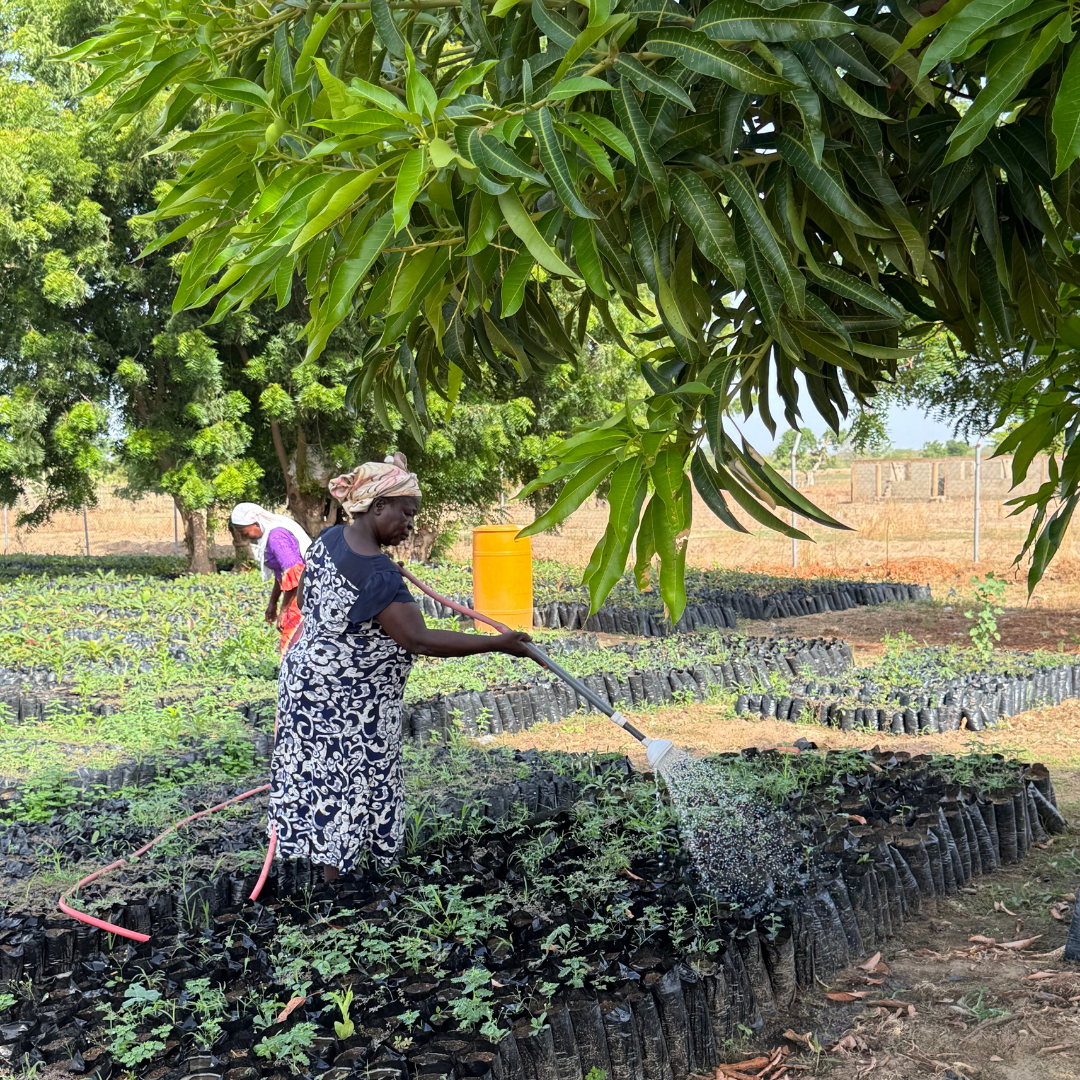
Global Shea Landscape Emission Reductions Project (GSLERP)
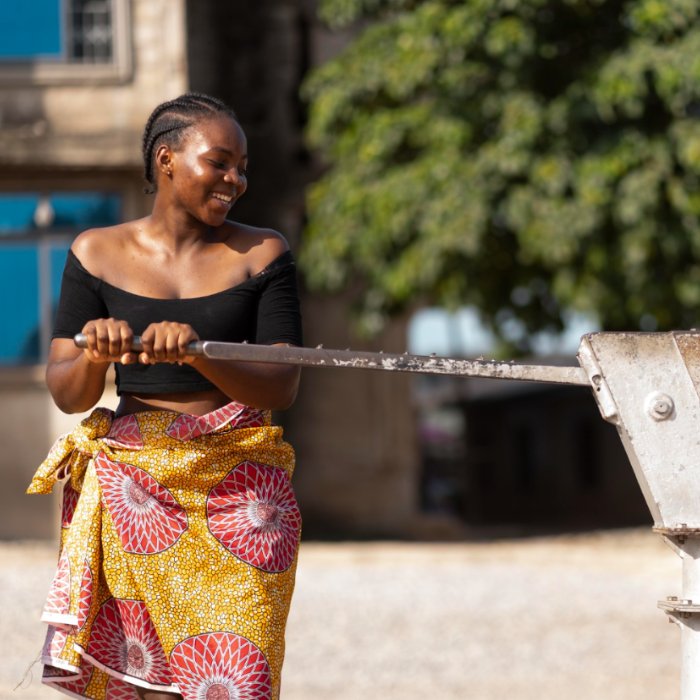
Kasigau Corridor REDD+ Project, Kenya
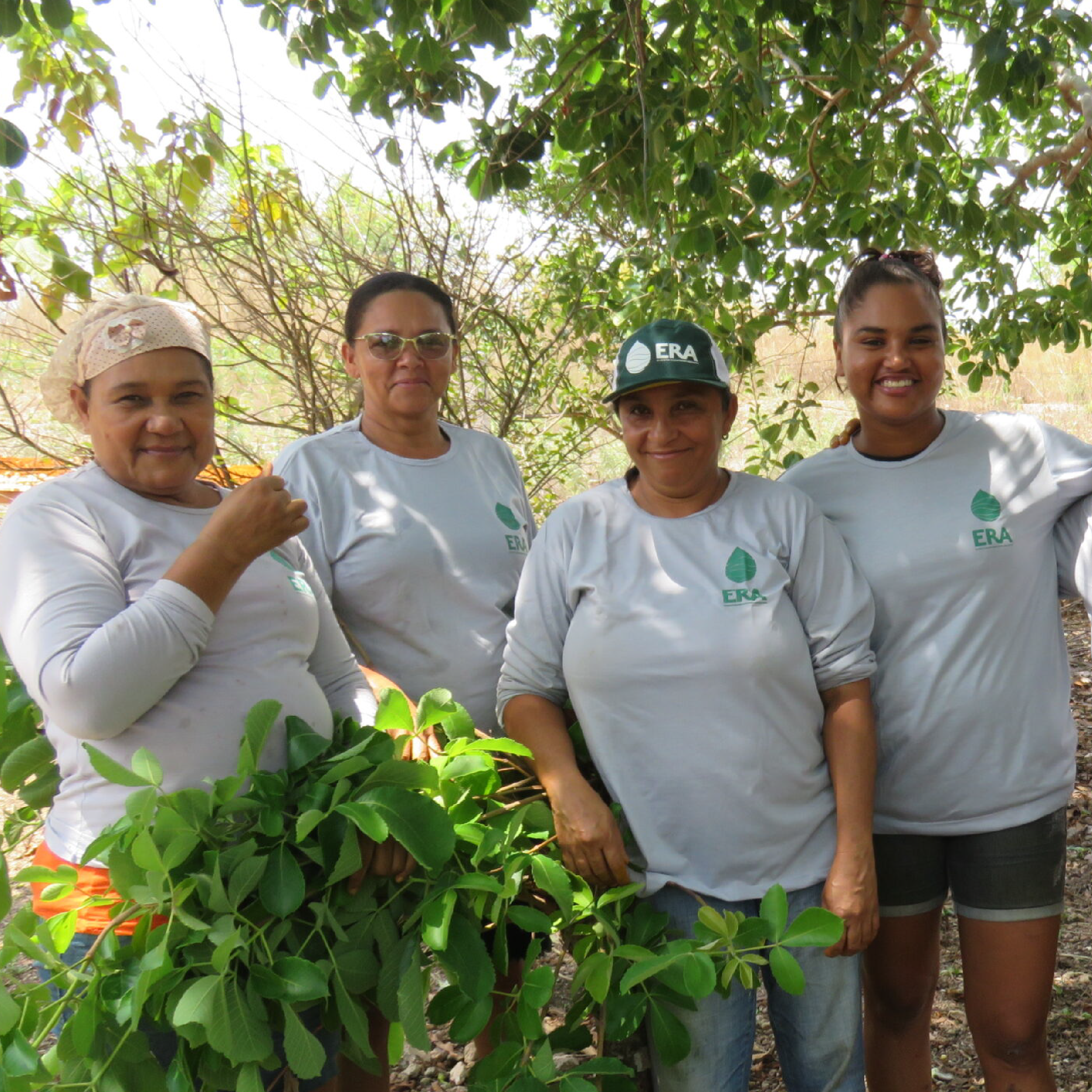
Women Leading Regenerative Change in Brazil’s Cerrado
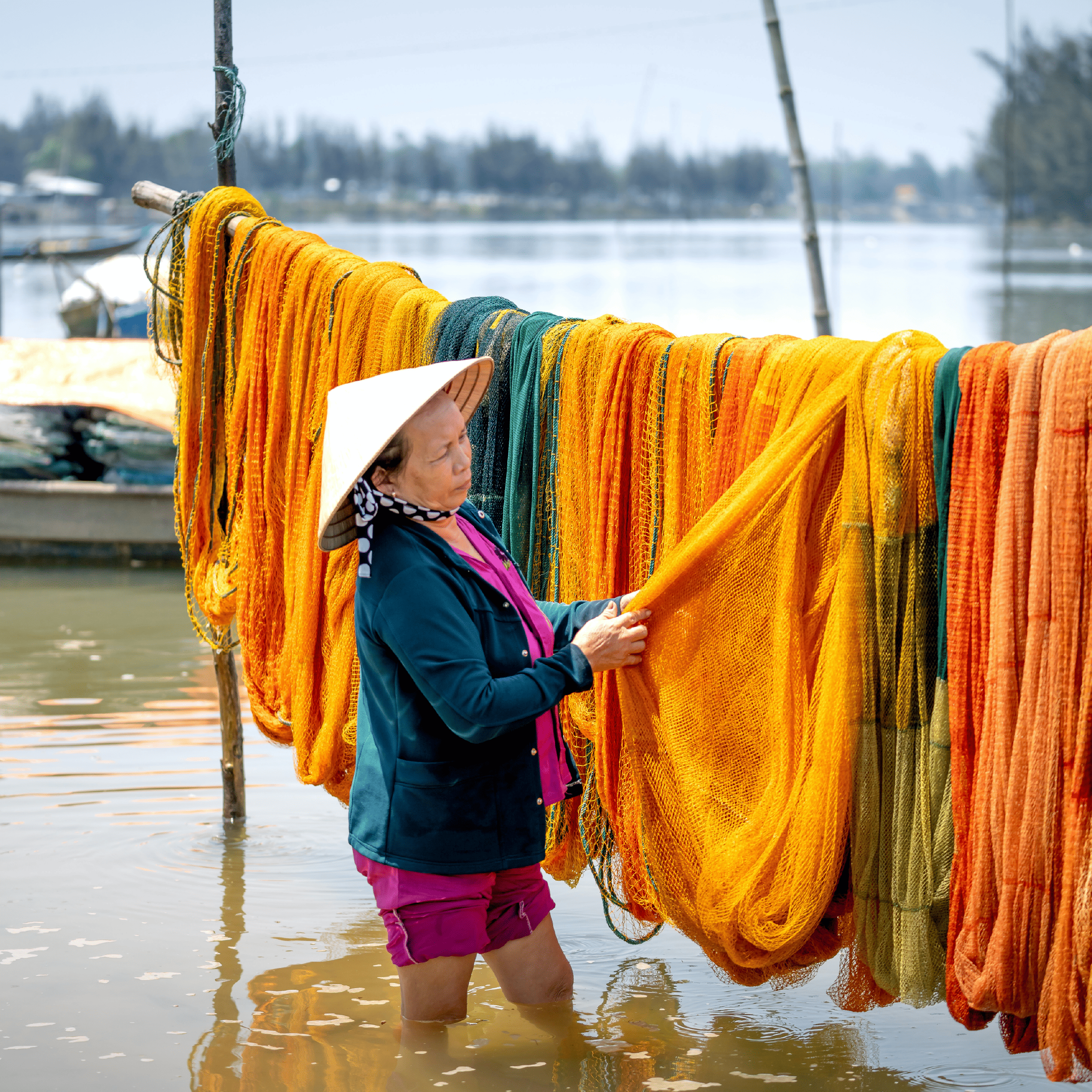
Fisher Folks Making Circular Economy Work for The Western Tonle Sap Lake Project
Improved Cookstoves (ICS) Programme
Bokpoort CSP Programme, South Africa
Khalladi Wind Farm Project in Morocco

Rural Ghassate, Morocco Women’s Cooperatives and Practical Training
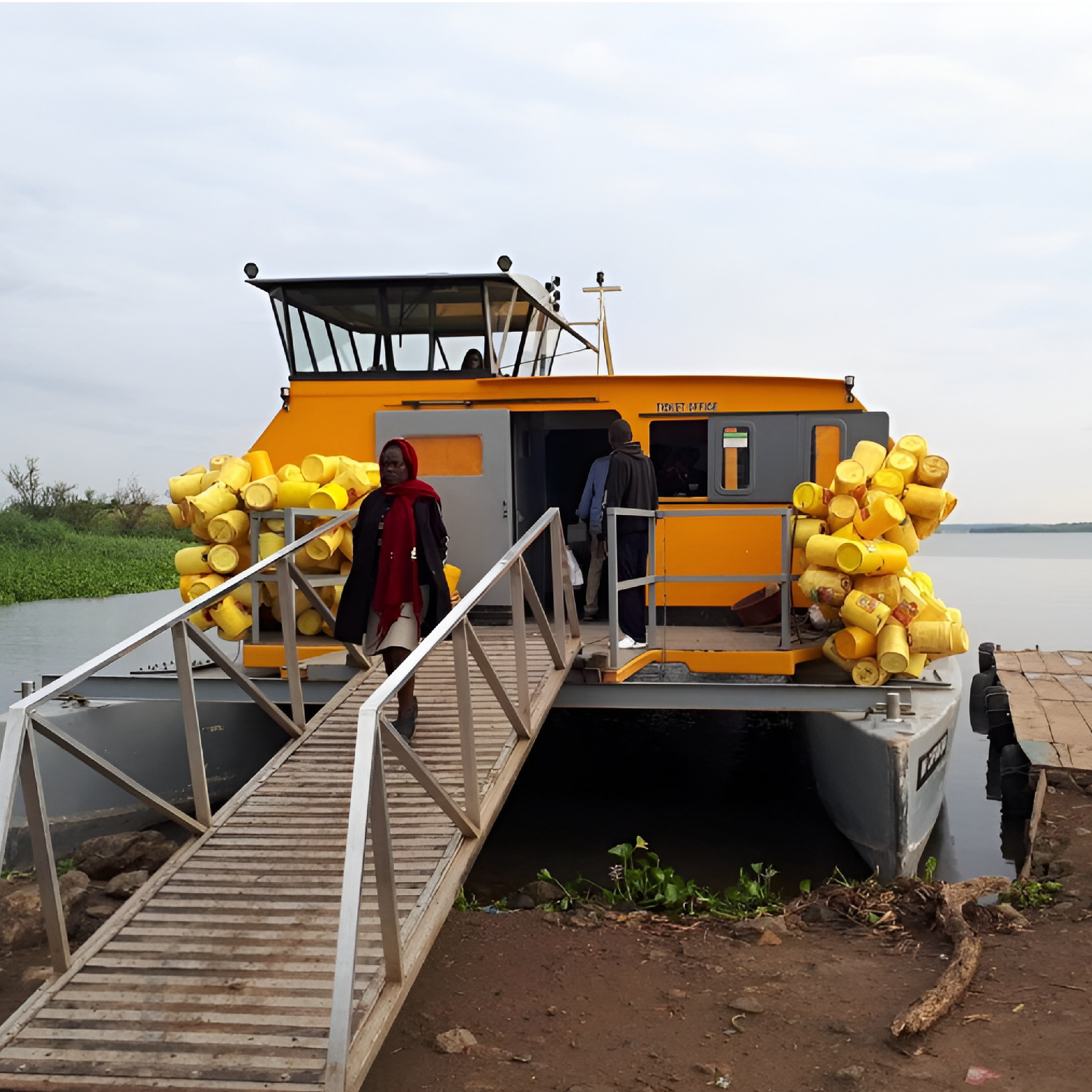
WaterBus - Measuring Time Savings and Income/Assets generated by the WaterBus Transport system
Improved Firewood Cookstoves Programme, Honduras

Stoves that Save Time and Energy in KhRos

Financial Literacy Program in Vietnam
Indonesia Domestic Biogas Programme
Clean Energy that Restores Forests and Empowers Women in Nepal

Growing Resilience Through Agricultural Innovation in Kenya (Pula)

Women-led Community Resilient Local Governance in India (wCOREL)
Mangrove Protection through Cleaner Fish Smoking in Cameroon
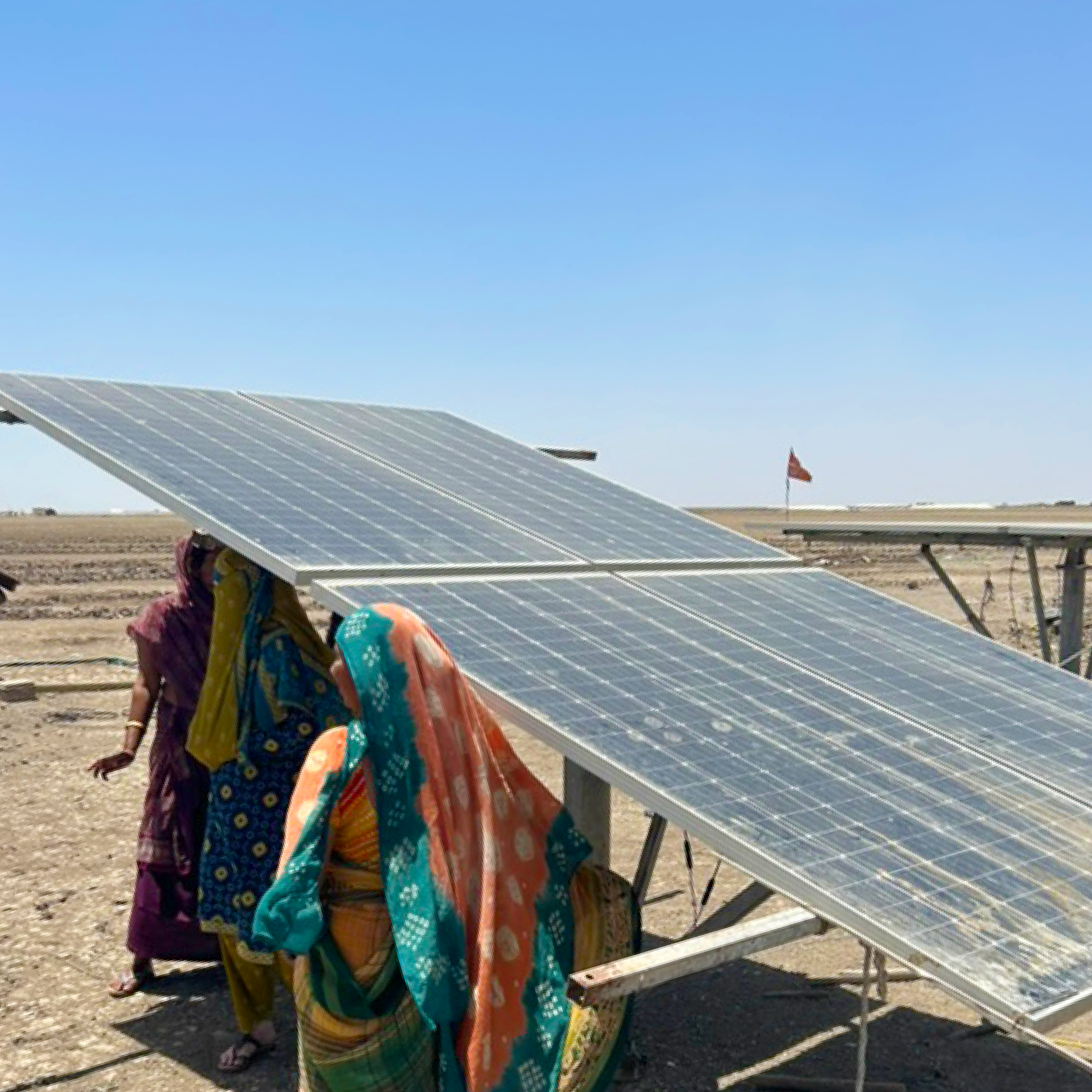
Solar Water Pumps for Salt Farmers of Kutch

Building Climate Resilience in the Sundarbans through Mangrove Restoration