Empowering Stewardship in the Coral Triangle - ‘Coral Triangle Women’ Indonesia
.jpeg)
The Story
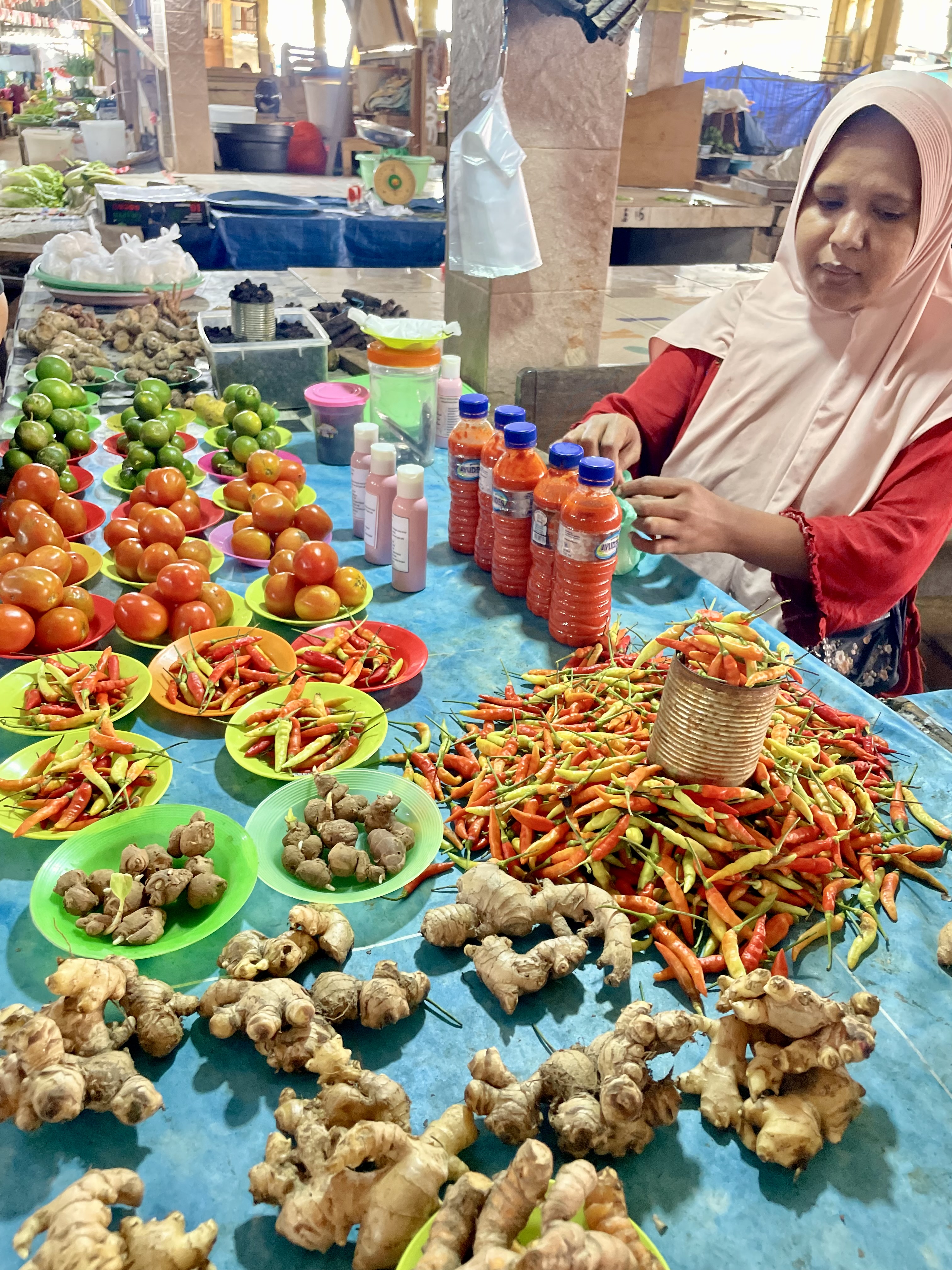
In Teon, Nila and Serua (TNS), women play an important role in sustaining their families and communities, from processing fish and copra to gardening and local trade. Yet their economic opportunities, access to markets and influence over decision-making remain limited.
The project builds on women’s existing knowledge and skills to create new livelihood opportunities through white copra production, fish processing and seasonal ecotourism. By connecting these activities with sustainable natural resource management, the project aims to strengthen women’s incomes, confidence and participation in their communities

Quick Facts
.png)
Goal
Strengthen women’s livelihoods and leadership in conservation through value-added products and sustainable natural resource management in the Coral Triangle.
Location:
Teon, Nila and Serua communities in TNS / Seram Island and Waipia District, Banda Sea region, Indonesia.
Project Period:
March 2025 – March 2029
Women’s Empowerment Focus:
Women’s income generation, skills development, market access, and recognition of women’s knowledge in marine and terrestrial resource management.
Key Livelihood Activities:
White copra production, fish drying and processing, seasonal ecotourism linked to Live on Board tourism, and value-added coconut and fish products.
Gender Context:
Women play major productive, household, and community roles, but face limited decision-making power, restricted mobility, high work burdens, and limited control over income and productive assets.
Monitoring:
Income & Assets baseline established. Education & Knowledge outcomes to be measured through control group and/or recall methodology at endline.
Benefit Sharing:
Benefit sharing will build on sasi, a 400-year-old traditional natural resource management system used by Indigenous communities to regulate resource use, protect ecosystems, and support vulnerable groups.
Standards & Certification:
W+ Standard: Focuses on enhancing women's income and assets, as well as education and knowledge.
What We Did
Promoted women-led livelihoods:
Supported value-added activities like copra production, fish processing, and ecotourism.
Built skills and capacity:
Trained women to strengthen income generation and apply new knowledge.
Improved market access:
Linked women producers to local and regional markets.
Integrated local systems:
Worked with sasi to align conservation with community practices.
Measured impact:
Applied the W+ Standard to track income and knowledge outcomes for women.

Results and Impact
Environmental Impact
Strengthened conservation-linked livelihoods in coastal and island communities.
Supported sustainable use of marine and terrestrial resources through livelihood activities connected to coconut, fish processing, and ecotourism.
Built on sasi, a traditional natural resource management system that helps regulate resource use and allow ecosystems to regenerate.
Women’s Empowerment (W+ Domains)
Income & Assets: Women will increase income through value-added livelihood activities such as white copra production, fish drying, coconut products, and market linkages.
Education & Knowledge: Women will gain skills, confidence, and practical knowledge through training and capacity-building interventions.
Leadership & Participation: The project aims to improve the quality of women’s participation in project design, monitoring, evaluation, and livelihood decision-making.
Social Reach
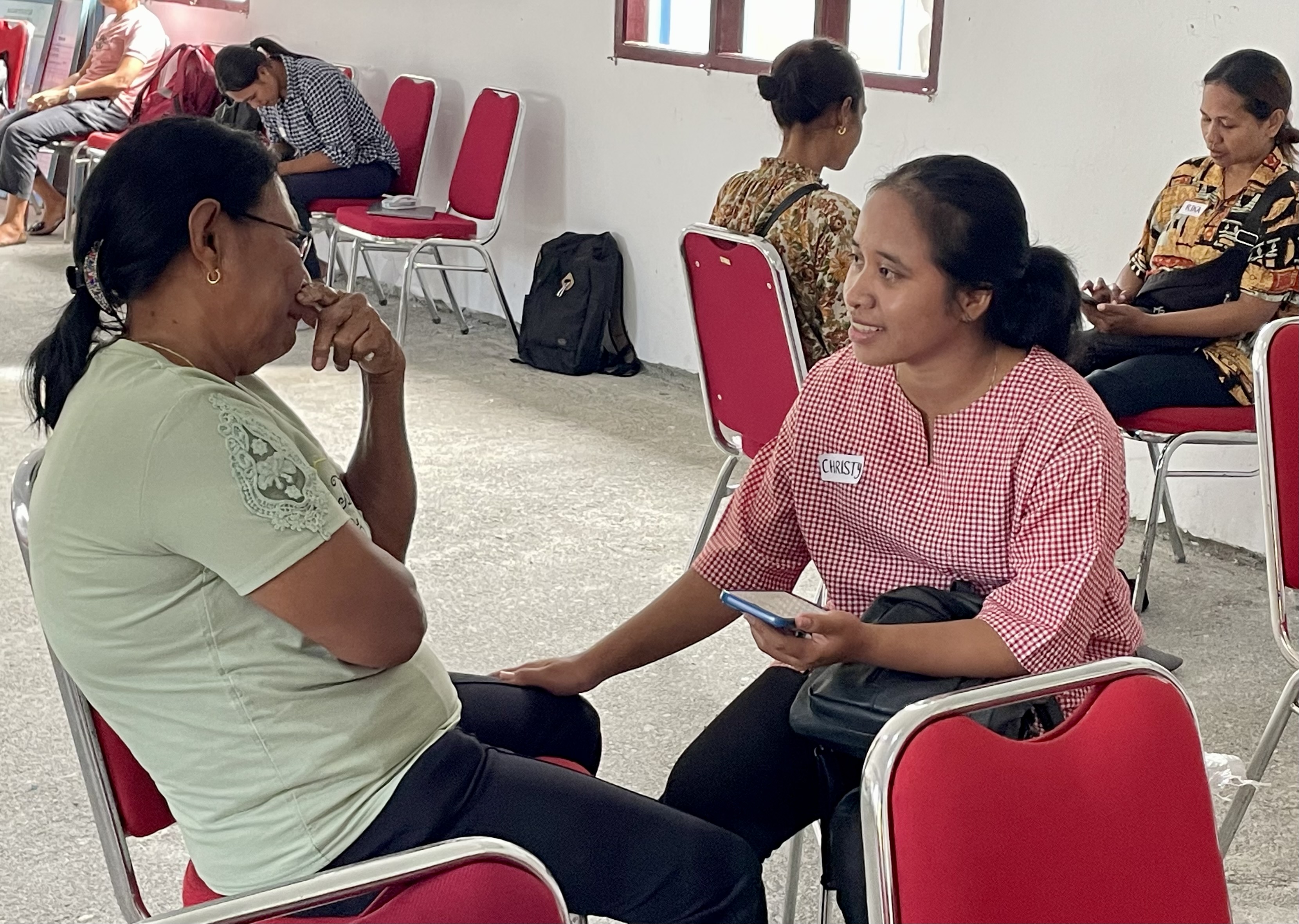
Women from TNS and Waipia communities engaged through surveys, focus group discussions, and gender analysis.
60 women from 15 villages in Waipia participated in focus group discussions.
367 respondents were covered through a socio-economic survey across TNS District / Waipia.
The project supports Indigenous TNS communities across 16 villages in the Central Maluku Regency.
In the Field
Behind the scenes of projects directly from the technical experts on the ground.
Fund a Verified Solution — One Credit at a Time
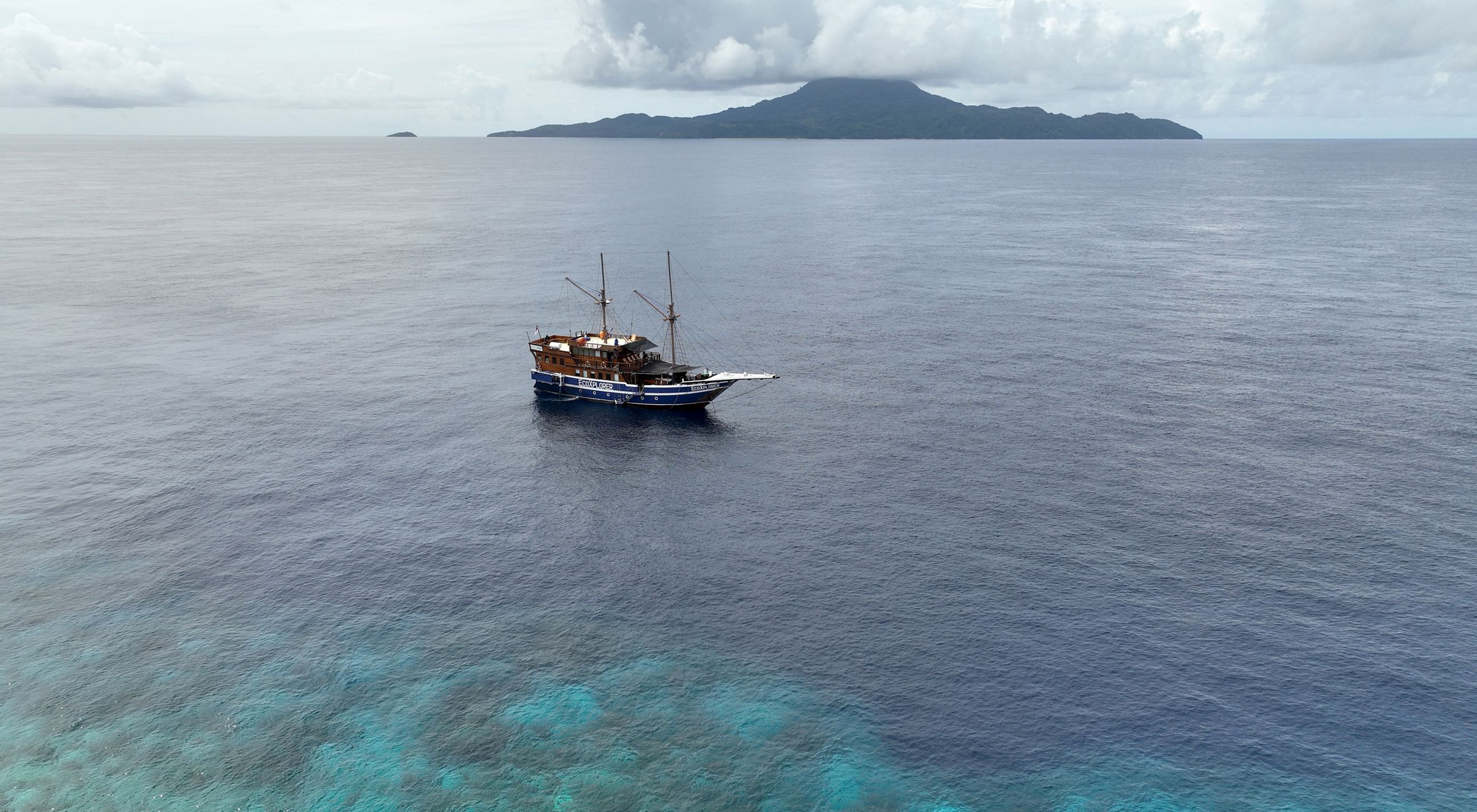
Empowering Stewardship in the Coral Triangle - ‘Coral Triangle Women’ - Indonesia BHS
.jpeg)
Empowering Stewardship in the Coral Triangle - ‘Coral Triangle Women’- Soloman Islands
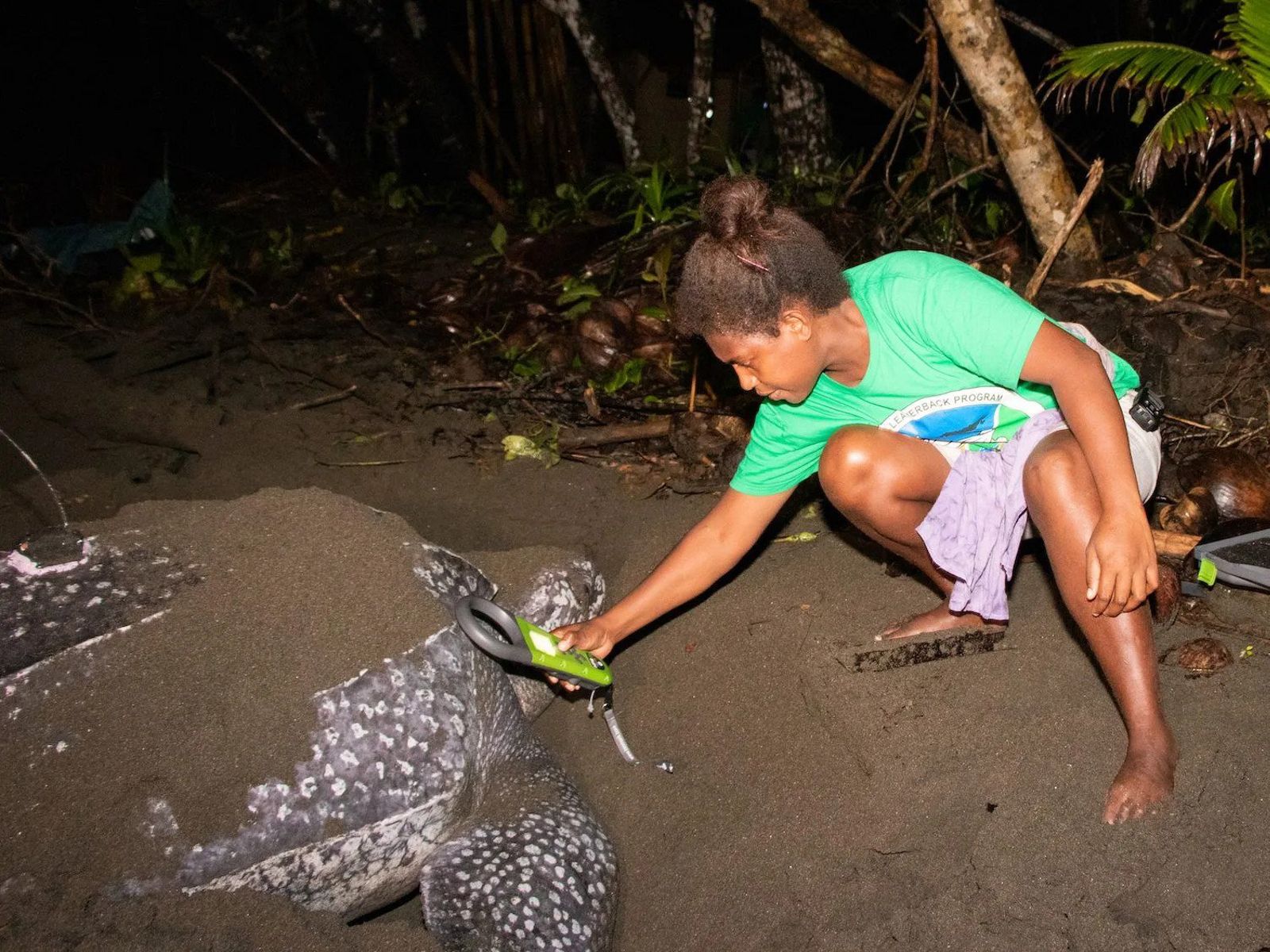
Empowering Stewardship in the Coral Triangle - ‘Coral Triangle Women’ Papua New Guinea
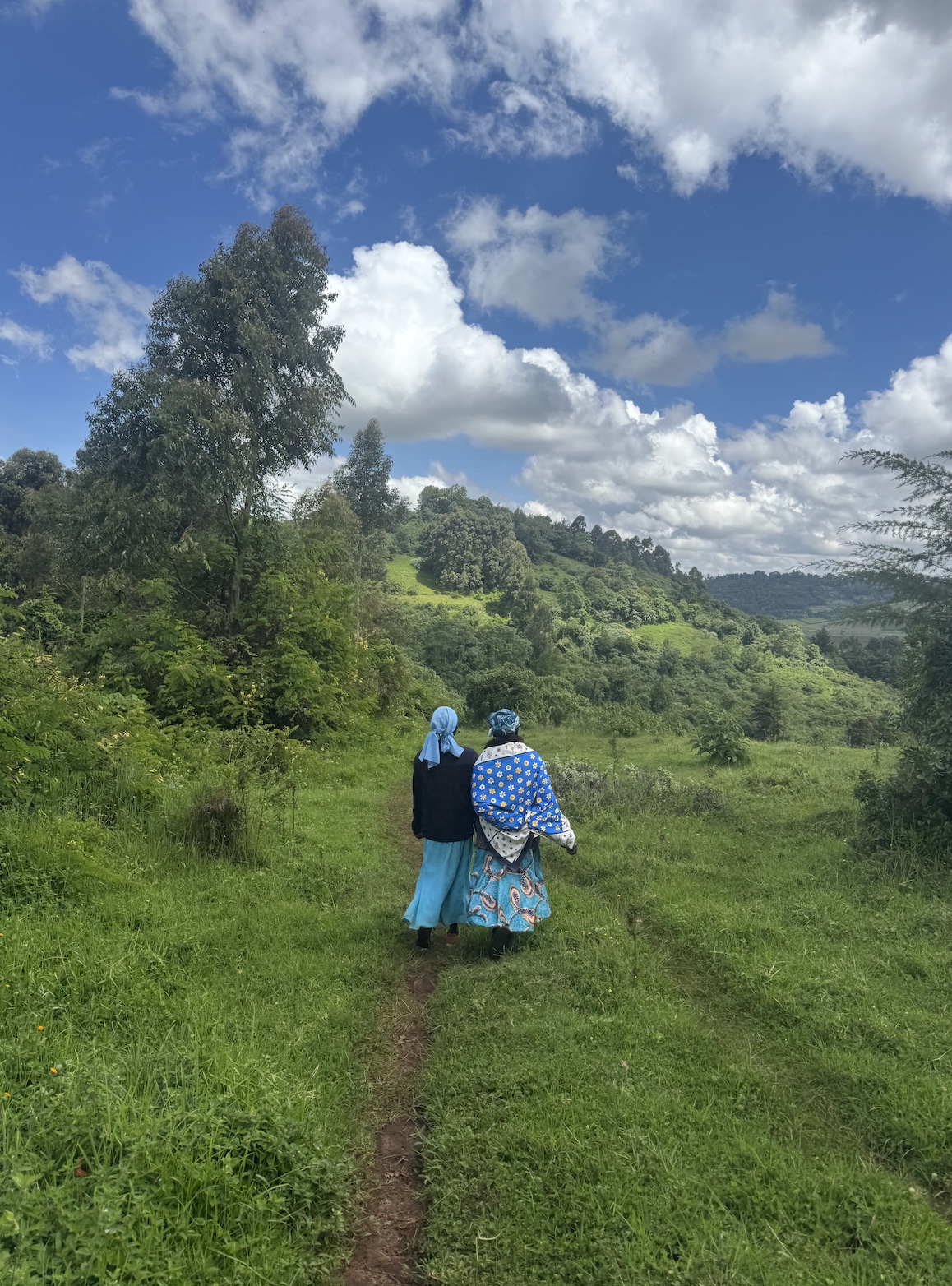
Women-Led Community Forest Conservation Initiative in Mau Forest Ecosystem, Narok County, Kenya
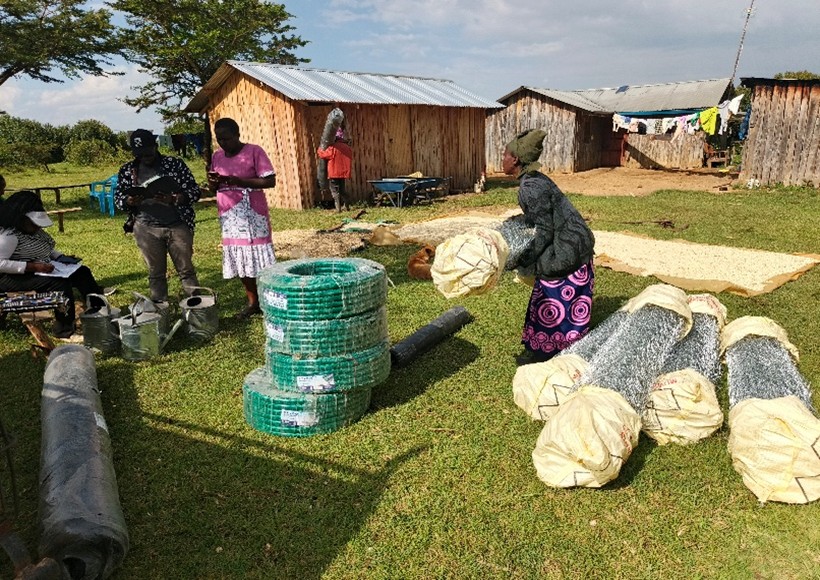
Community Led Food Forest Project (CFFP)
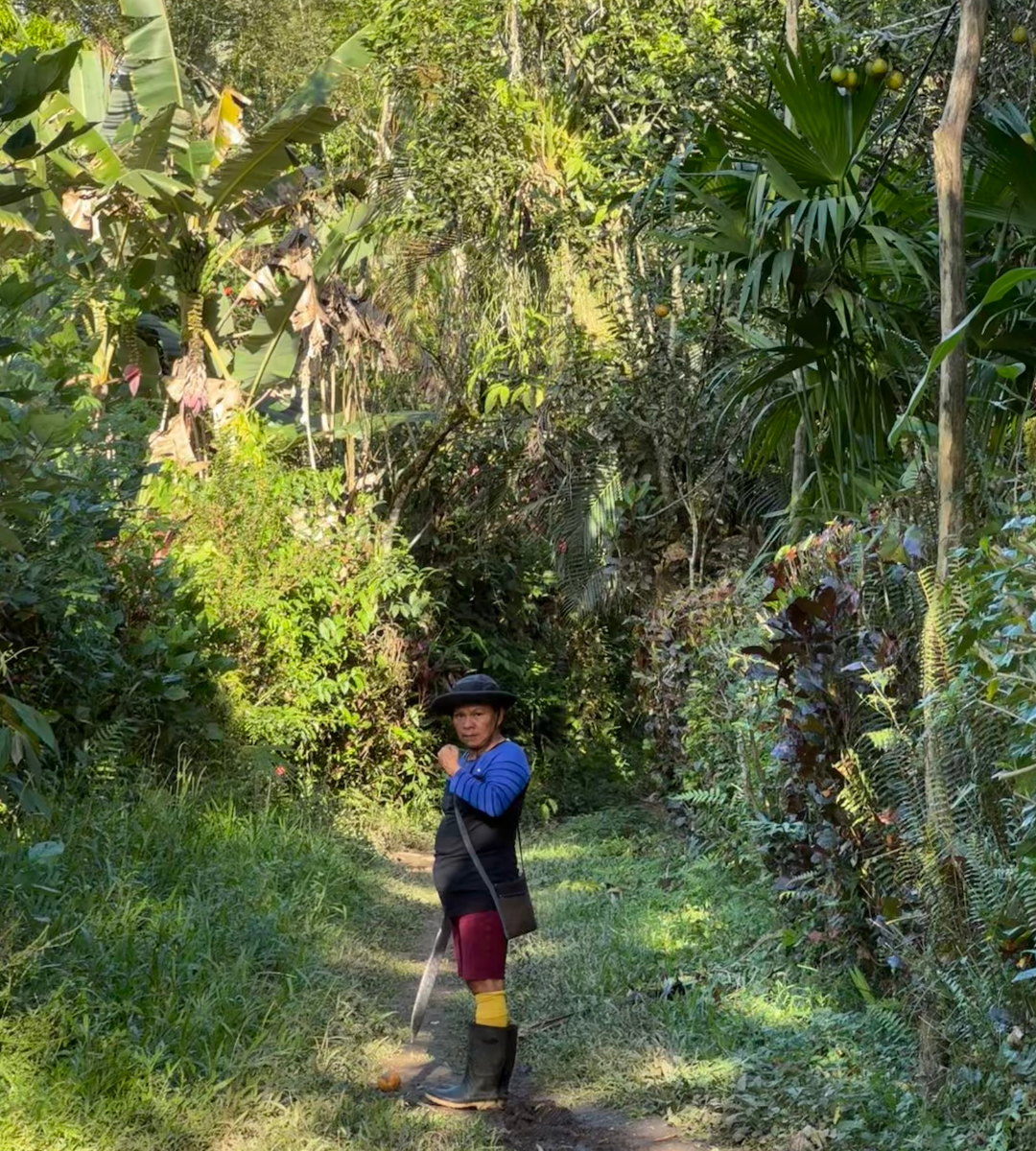
Costa Rica REDD+ Result-based Payment (RBP) for Results Period 2014-2015
.jpeg)
Measuring the Impact of RiceTech Cambodia Project on Women’s Livelihoods and Adaptability to Climate Change
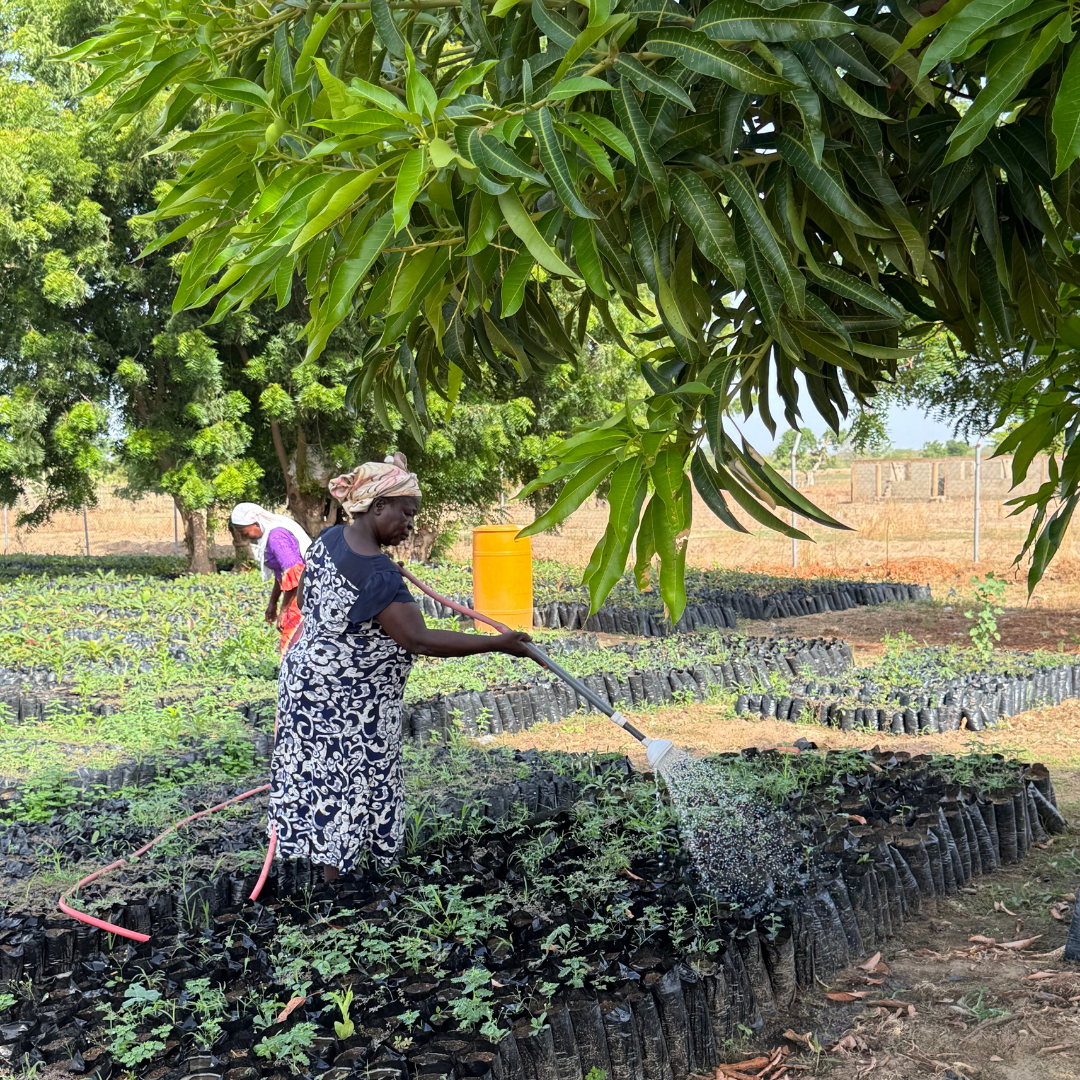
Global Shea Landscape Emission Reductions Project (GSLERP)
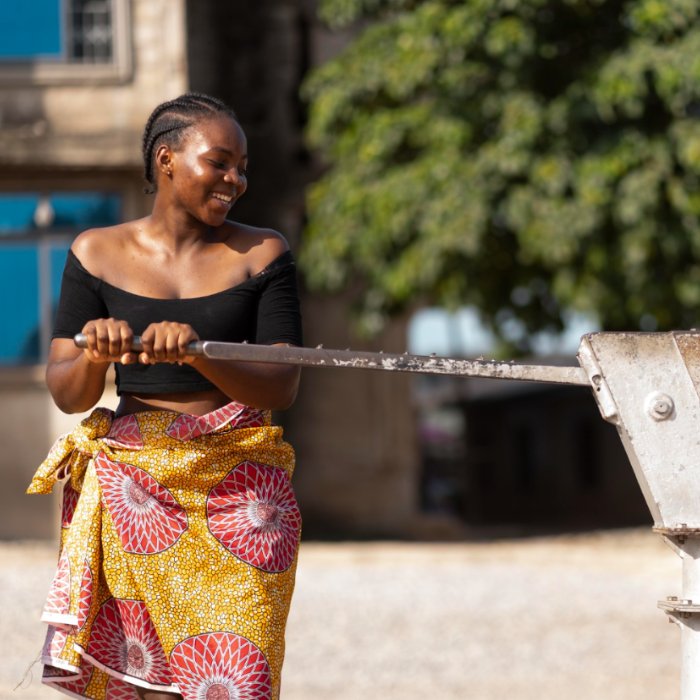
Kasigau Corridor REDD+ Project, Kenya
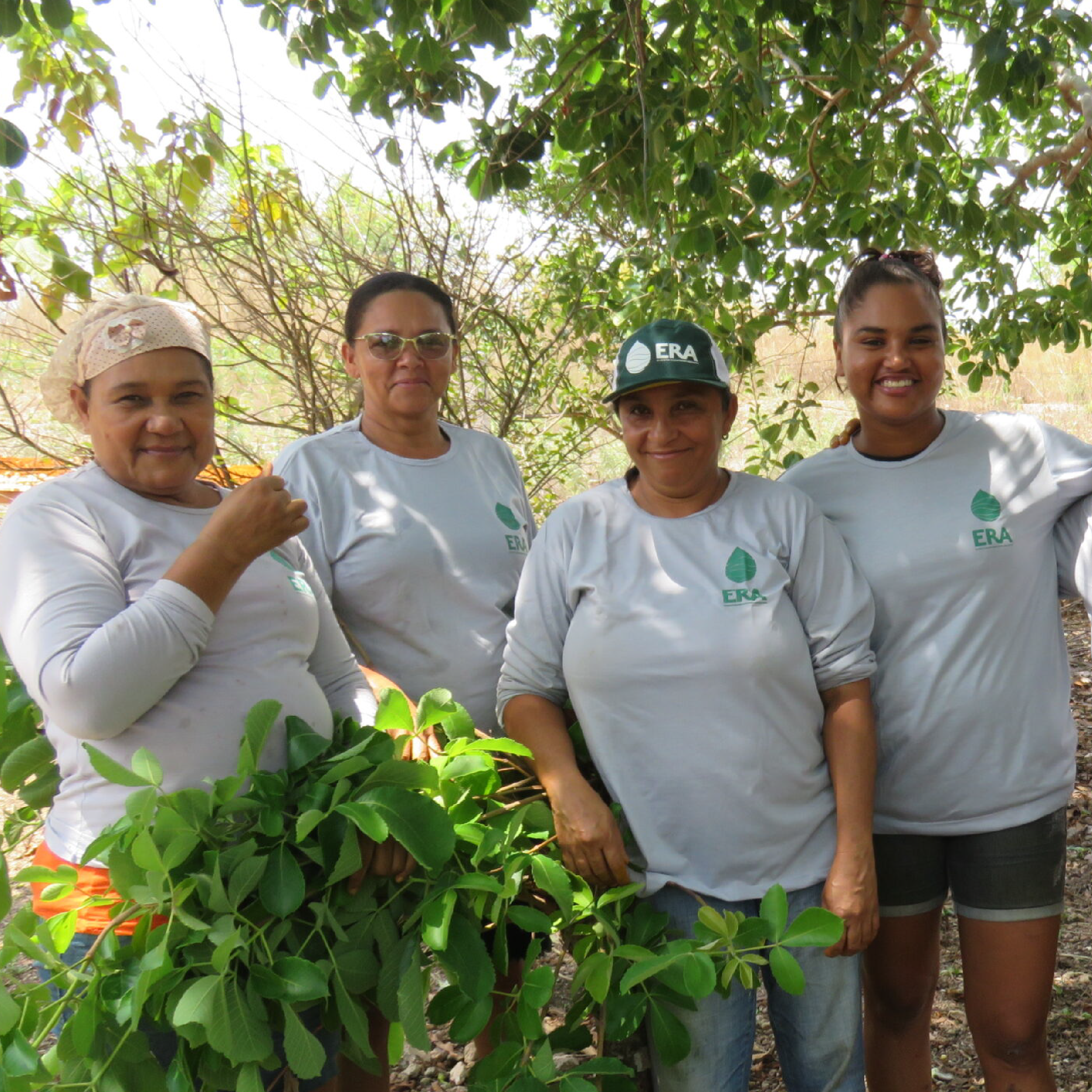
Women Leading Regenerative Change in Brazil’s Cerrado
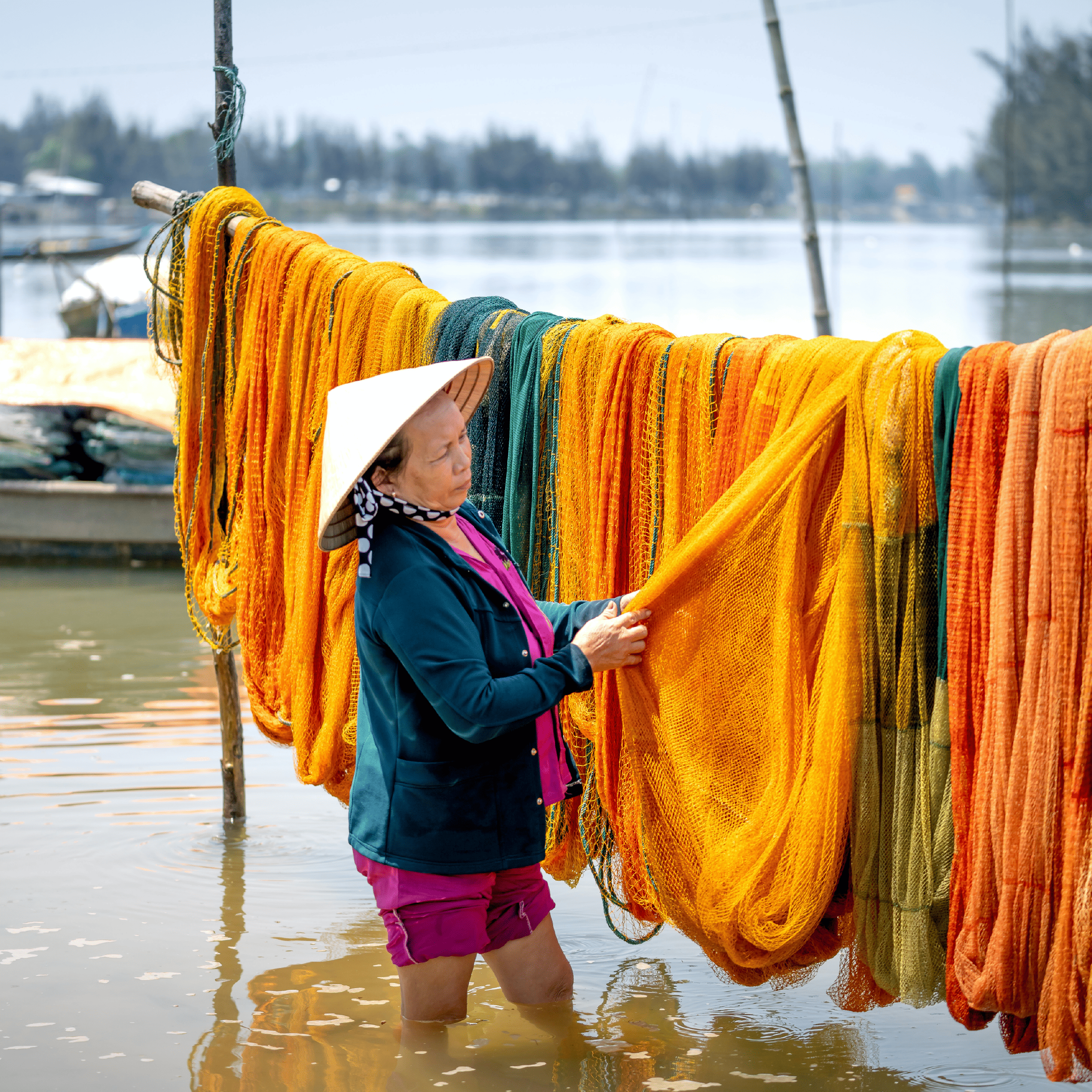
Fisher Folks Making Circular Economy Work for The Western Tonle Sap Lake Project
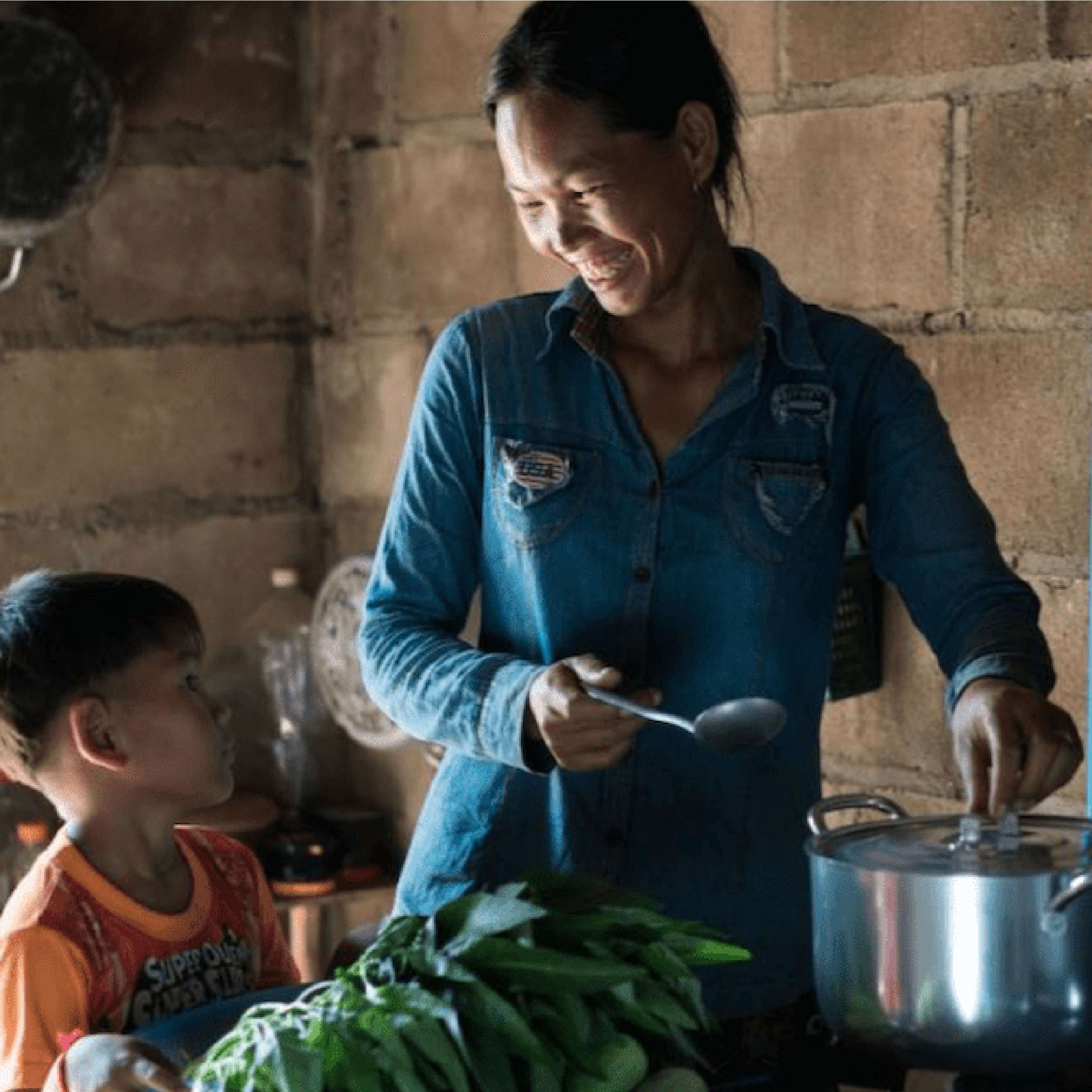
Improved Cookstoves (ICS) Programme
Bokpoort CSP Programme, South Africa
Khalladi Wind Farm Project in Morocco

Rural Ghassate, Morocco Women’s Cooperatives and Practical Training
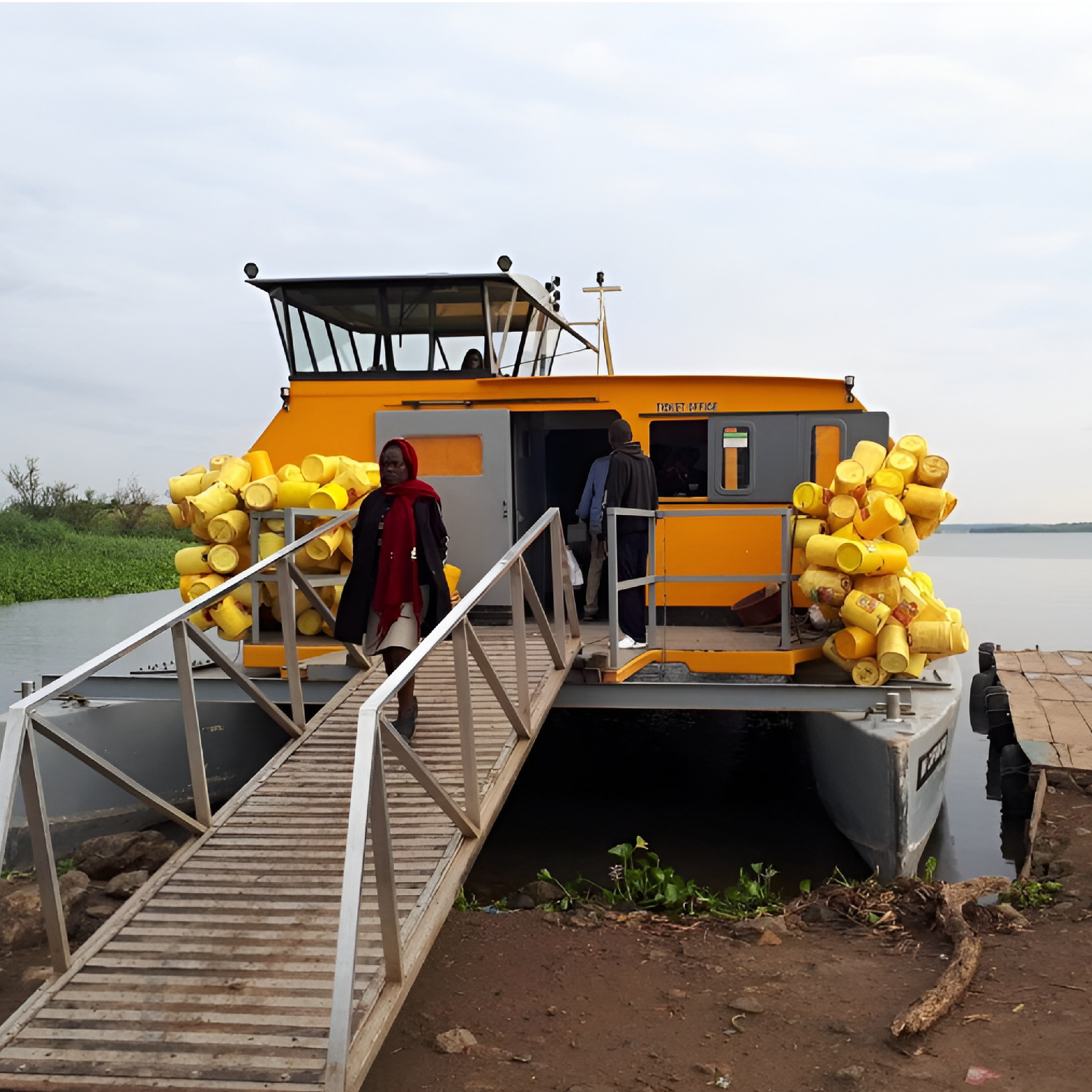
WaterBus - Measuring Time Savings and Income/Assets generated by the WaterBus Transport system
Improved Firewood Cookstoves Programme, Honduras

Stoves that Save Time and Energy in KhRos

Financial Literacy Program in Vietnam
Indonesia Domestic Biogas Programme
Clean Energy that Restores Forests and Empowers Women in Nepal

Growing Resilience Through Agricultural Innovation in Kenya (Pula)

Women-led Community Resilient Local Governance in India (wCOREL)
Mangrove Protection through Cleaner Fish Smoking in Cameroon
Solar Water Pumps for Salt Farmers of Kutch

Building Climate Resilience in the Sundarbans through Mangrove Restoration